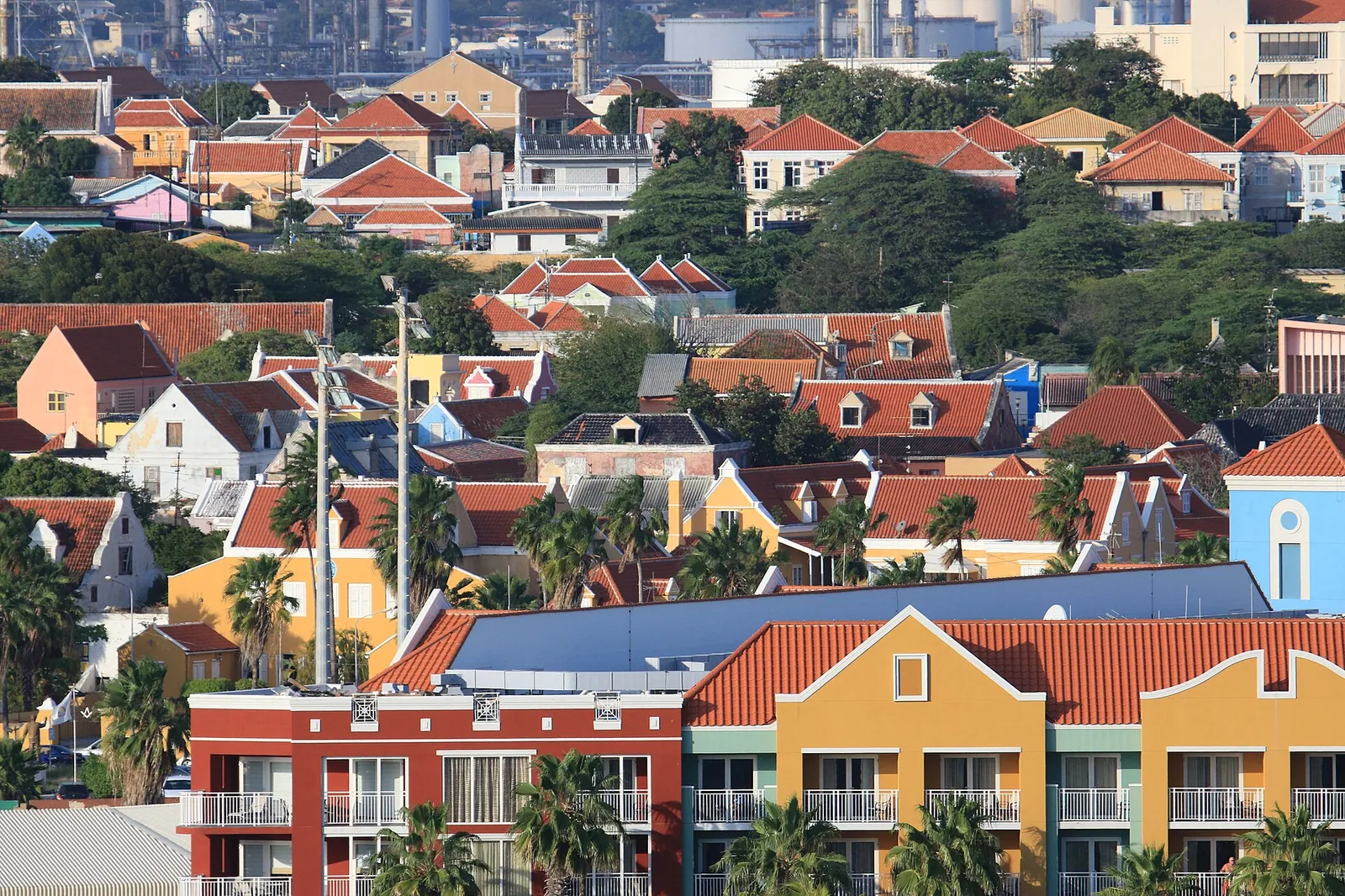
Unsure where to stay in Curaçao? Compare Willemstad, Pietermaai, Jan Thiel, Mambo and the west side, with honest pros, cons and who each area suits.
In this guide
Where to stay in Curaçao: how to choose your base
Curaçao is small enough to drive across in under 90 minutes, but where you stay shapes your whole trip. Traffic, nightlife, beach style and even how much you’ll drive each day can feel very different depending on your base.
Below is a practical breakdown of the main areas most visitors choose: Willemstad (including Otrobanda & Punda), Pietermaai, Mambo (Seaquarium Beach), Jan Thiel and the island’s west side (“Banda Abou”).
Willemstad (Punda & Otrobanda)
Overview
Best for: first-time visitors, culture lovers, walkers, short stays
If you want the colorful Curaçao you see in photos, this is it. Willemstad is split by St. Anna Bay into two main parts: Punda and Otrobanda, linked by the Queen Emma “pontoon” bridge. Think historic streets, harbor views, museums and lots of places to eat and drink within walking distance.
You won’t be directly on a big sandy beach, but you get character, convenience and a good sense of local life.
Why stay in Punda
- Classic pastel waterfront and narrow streets
- Markets, shops and government buildings nearby
- Easy to walk around during the day
Punda is slightly more polished and tourist-facing. You’re close to waterfront cafés, small squares and street art. It’s easy for self-guided exploring: just step outside and wander.
Why stay in Otrobanda
- Great harbor views looking towards Punda
- Mix of restored historic buildings and modern development
- Slightly more local, less polished feel
Otrobanda has been redeveloping for years. Some areas feel lively and atmospheric; others still look rough around the edges. It’s very central for driving to other parts of the island.
Pros
- Walkable historic center, good for people without a car (though a car is still helpful on Curaçao)
- Lots of restaurants, bars and small museums nearby
- Central location for exploring the whole island by day
- Ferry and bridge crossings give great views, especially at night
Cons
- No big natural beach in immediate walking distance; you’ll taxi/drive to swim
- Can feel busy and a bit chaotic on cruise ship days
- Nightlife is more bars and restaurants than late-night clubs
- Parking in the very center can be cramped at peak times
Who it suits
- Short trips (3–4 nights) where you want to pack in sights
- People who like wandering cities more than sitting on a beach all day
- Visitors who may not rent a car every day
Pietermaai District
Overview
Best for: couples, foodies, boutique-hotel fans
Pietermaai is just east of Punda, a small historic neighborhood that’s been turned into a hip, compact district. Colorful townhouses, sea views from some properties, and a strong concentration of bars and restaurants in a few blocks.
It feels more intimate than central Willemstad, but you can walk to Punda in around 10–15 minutes from many places.
Vibe and atmosphere
- Restored 18th–19th century houses, many turned into stylish apartments or boutique hotels
- Lively bar and restaurant scene at night, quieter during the day
- More “adult” and design-focused than family-oriented
There isn’t a wide sandy beach here; instead, some properties have small man-made swimming areas or sea access. For a classic beach day you’ll still drive or taxi.
Pros
- Strong dining and bar options in a small area
- Good mix of self-catering apartments and small hotels
- Photogenic streets and sea views from some spots
- Easy to reach both Willemstad center and eastern beaches by car
Cons
- Can be noisy at night on certain streets, especially Thursdays–Saturdays
- Not ideal if you want to step out your door onto a long sandy beach
- Limited street parking in the most popular strip
- Families with small kids may find the area a bit nightlife-heavy
Who it suits
- Couples wanting a stylish base and dinners within walking distance
- Groups of friends who like bar-hopping but not full-on clubbing
- Visitors who want a “local neighborhood” feeling but close to town
Mambo Area (Seaquarium Beach)
Overview
Best for: social beach days, first-timers who want easy infrastructure
When people talk about “Mambo Beach” they usually mean the Seaquarium Beach area a short drive east of Willemstad. Here you get a long stretch of man-made beach, beach clubs, restaurants and shops rolled into one.
It’s very much a built-up beach zone, more “resort strip” than hidden cove, but super convenient if you want everything within a short walk.
Vibe and atmosphere
- Music, beach clubs, shops and bars right on the sand
- Families during the day, then a younger crowd on some evenings
- Regular events and themed nights depending on the venue and season
The water is usually calm thanks to breakwaters, so it’s beginner-friendly for swimming and casual snorkeling close to shore.
Pros
- You’re right on a long sandy beach with facilities (sunbeds, bars, restaurants)
- Easy “lazy” days: roll out of bed, grab a sunbed, don’t drive anywhere
- Good for people who like some nightlife but don’t need 4 a.m. clubs
- Reasonable base for driving both to Willemstad and further east
Cons
- It’s commercial: shops, loud music and crowds, especially when ships are in or on weekend evenings
- Less sense of local neighborhood life; feels more resort-like
- Can be pricier than more residential areas nearby
- If you dislike busy, organized beaches, this may feel overwhelming
Who it suits
- First-time visitors who want a straightforward “beach holiday” setup
- Groups of friends and couples that like beach bars and music
- Families who want calm water and nearby facilities for kids
Jan Thiel Area
Overview
Best for: families, longer stays, self-catering
Jan Thiel is a residential and resort area east of Mambo, built around a sheltered bay with a developed beach zone. It has a strong mix of villas, apartments and resorts, plus a central cluster of beach clubs, a small shopping area and some restaurants.
Compared to Mambo, Jan Thiel feels a bit more “neighborhood + resort” and slightly less like a strip-mall beach.
Vibe and atmosphere
- Gated villa communities and condo complexes on the hills
- Coastal walking paths with sunset views in some areas
- Well-developed beach area with pools, restaurants and bars
Again, the beach is partly man-made but pleasant, with calm water and easy swimming. Self-catering is common, as many properties are apartments with kitchens.
Pros
- Great for families: calm water, services close by, playgrounds in some spots
- Lots of villa and apartment options for groups and longer stays
- You can “live” here comfortably without going into town daily
- Easy access to the eastern coastal trails and some lesser-known coves
Cons
- You’ll drive more: Willemstad is not far, but not walkable
- Less historic character than staying in town
- The main beach club area can feel crowded and sometimes party-oriented on certain nights
- If you don’t rent a car, you’ll rely on taxis or sporadic shuttles
Who it suits
- Families with children who want convenience and some space to spread out
- Groups renting a villa and splitting costs
- Visitors staying a week or more who like combining beach days with cooking at “home”
West Side (Banda Abou)
Overview
Best for: beach-hoppers, divers, laid-back escapes
“Banda Abou” means the western, more rural side of Curaçao. This is where many of the postcard natural beaches are: smaller coves with clear water, cliffs and good snorkeling. You’ll find a scattering of small hotels, apartments and guesthouses rather than big resorts.
Distances are longer and nightlife is minimal, but the trade-off is scenery and a slower pace.
Vibe and atmosphere
- Quiet roads, small villages, goats crossing the street, that kind of thing
- Days revolve around which beach or dive site you’ll visit next
- Starry nights and early mornings instead of nightlife
Beaches like Playa Grandi (for sea turtles), Grote Knip, Playa Lagun and others are spread along the coast. A car is essentially mandatory here.
Pros
- Best base if your priority is beaches, snorkeling and diving
- Much quieter than the eastern side; more nature and less development
- Easy access to hiking in Christoffel Park and visits to Shete Boka National Park
- Sunsets over the Caribbean rather than behind hills
Cons
- Longer drive to Willemstad and eastern beaches; you won’t “pop into town” for dinner
- Limited restaurant and supermarket choices, so plan meals and shopping
- Public transport is sparse; taxis are harder to arrange than in town
- Can feel too quiet if you like bars and busy promenades
Who it suits
- Divers and snorkelers who want to be near the best sites every day
- Couples seeking a quiet retreat
- Repeat visitors who have “done” town and want more nature this time
- Photographers and hikers who want easy access to the national parks
How to choose your area (and mix & match)
Many visitors underestimate driving times and end up commuting across the island daily. It’s absolutely doable—Curaçao isn’t huge—but traffic can be slow at peak times.
A simple way to decide:
- Beach-first trip, little exploring: Jan Thiel or Mambo
- Culture + food + some beach: Willemstad or Pietermaai
- Nature, diving, quiet: West side (Banda Abou)
If you have a week or more, consider splitting your stay:
- 3–4 nights in Willemstad or Pietermaai for history, food and town life
- 3–4 nights on the west side to focus on beaches and hiking
This avoids long daily drives and lets you experience two very different sides of the island.
Good to know
- Car rental: Outside Willemstad center, a car makes life much easier, especially for Jan Thiel and the west side. Book in advance in high season and check insurance details carefully.
- Public transport: There are buses, but routes and times can be limited and subject to change. They work for some commutes, but most visitors find them too restrictive for a beach-focused holiday.
- Driving times: The island is short but not fast. From Willemstad to popular west-side beaches can take around an hour depending on traffic and exact locations.
- Noise levels: Check recent reviews for comments on music and events. Beach areas and Pietermaai can be loud on certain nights; the west side and residential hillsides tend to be quieter.
- Groceries: If you’re staying in a villa or apartment, plan a bigger grocery run early in your stay, especially if you’re based on the west side where shops are smaller and more spread out.
- Safety: The main areas are generally fine with normal city precautions. Don’t leave valuables in cars or on the beach, and lock doors and windows like you would anywhere else.
- Weather & wind: Trade winds keep the island relatively breezy. Some hillside or east-facing accommodations can feel windier; a perk if you dislike heat, less so if you want very still evenings.
FAQ
Is it better to stay in Willemstad or on the beach?
If you’re here mainly to relax and swim, a beach area like Jan Thiel or Mambo is more convenient. If you care more about historic streets, restaurants and walking around, Willemstad or Pietermaai makes more sense. Some people split their time between town and a beach or west-side base.
Do I need a car in Curaçao?
In Willemstad and Pietermaai you can manage a couple of days without a car, using taxis and walking. For Jan Thiel, Mambo and especially the west side, a car makes a big difference and is strongly recommended if you want to explore multiple beaches or go out to dinner away from your hotel.
Which area is best for families with kids?
Jan Thiel and Mambo are popular with families because of calm water, beach facilities and nearby restaurants. Willemstad can work too, especially with older kids who enjoy museums and wandering, but you’ll need to drive to beaches.
Where should divers stay in Curaçao?
Divers who want variety in shore dives often base themselves on the west side to be close to multiple sites. For a mix of diving and nightlife, Jan Thiel or Mambo can be a good compromise, with dive shops nearby and easier access back to town.
Is the west side of Curaçao too remote for a first visit?
Not necessarily, but it’s quiet and spread out. If it’s your first time and you’re unsure, you might start with a few nights in Willemstad or Pietermaai to get oriented, then move west once you know you’re happy with fewer restaurants and almost no nightlife in exchange for better beaches and nature.
Prices and opening times change. Always check current details before you go.
The weekly Curaçao letter
One short email a week: what's on, a useful guide and an insider tip. Free, unsubscribe anytime.
🎁 Free when you subscribe: the First-timer's Curaçao Checklist (PDF).
Where to stay
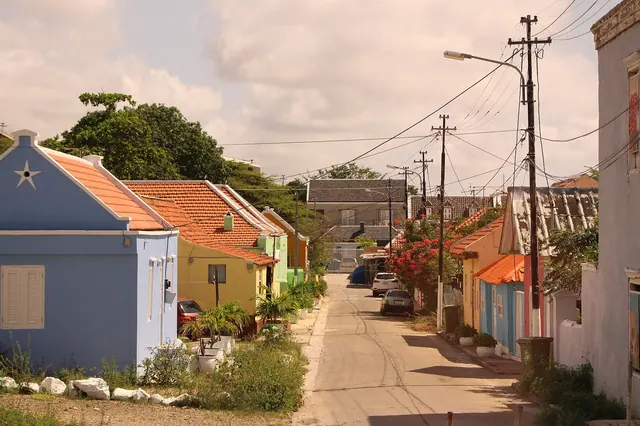
Long Stays in Curaçao: How to Settle In for 2+ Weeks
A practical guide to long stays in Curaçao: where to stay, how to budget, shop, get around, and create easy routines that make the island feel like home.
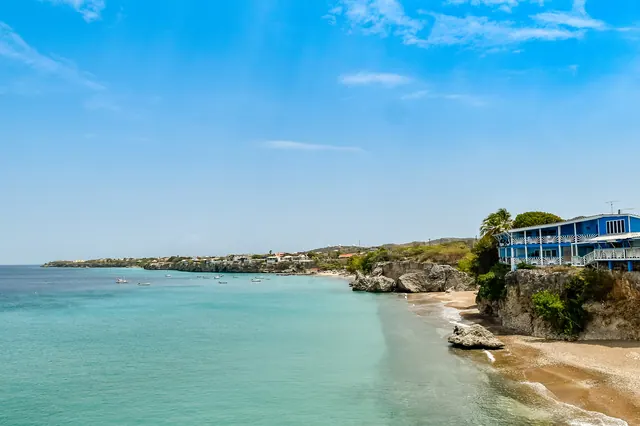
Staying on West Curaçao: Quiet, Nature & Diving
Considering staying on the west side of Curaçao? Guide to the quieter, nature-focused lifestyle, who it suits, and why you’ll want a rental car.
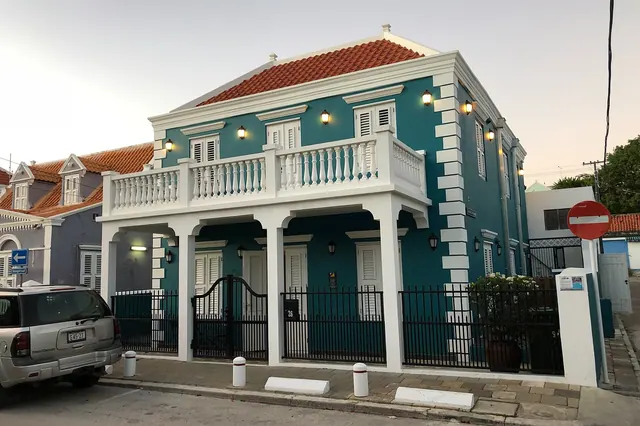
Resort or apartment in Curaçao? How to choose
Weighing a resort vs apartment in Curaçao, especially for longer stays. Local-style guide to pros, cons, and what to check before booking.