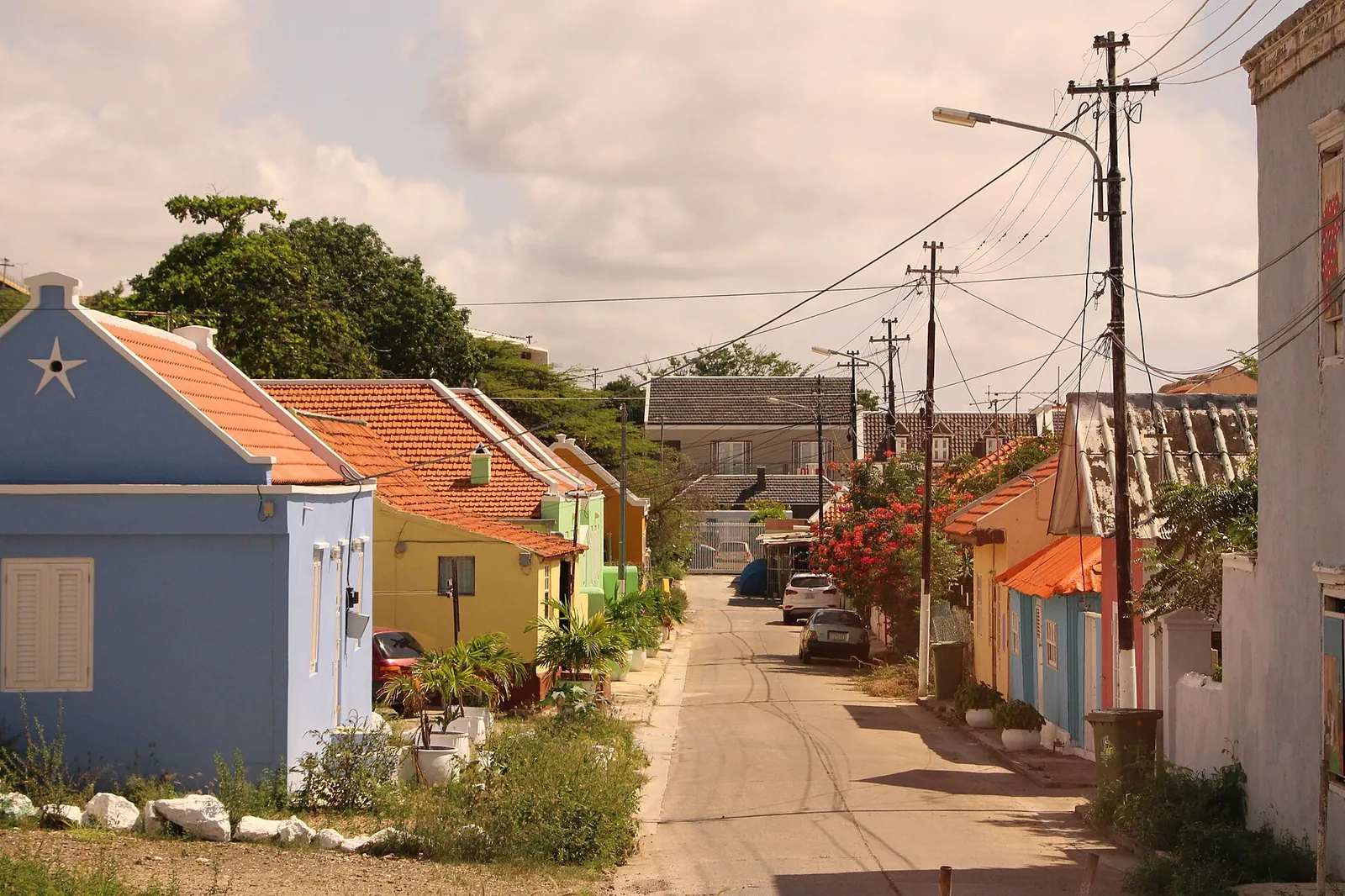
A practical guide to long stays in Curaçao: where to stay, how to budget, shop, get around, and create easy routines that make the island feel like home.
In this guide
Long Stays in Curaçao: How to Make the Island Home
Spending two weeks or more in Curaçao lets you slow down, explore beyond the postcard spots, and slip into a real rhythm. The trade‑off: you need to think a bit more like a local—where to shop, how to get around, and what kind of place will keep you comfortable for longer than a quick vacation.
Below is a practical, no-fluff guide to choosing a base and building easy routines that work for a longer stay.
Choosing the Right Area for a Long Stay
Willemstad (Punda, Otrobanda, Pietermaai & Scharloo)
Best for: Car‑free stays, restaurant lovers, digital nomads
If you don’t want to drive every day, staying in or near Willemstad makes life simpler. Punda and Otrobanda have the most “city” feel, with colorful streets, markets, and easy bus access. Pietermaai and parts of Scharloo feel more boutique and residential, with cafés and small guesthouses tucked into restored townhouses.
Staying central means: - Walking distance to supermarkets, bakeries, pharmacies and the Floating Market (when active). - More nightlife, music, and culture—though also more noise in some streets. - Buses and shared taxis to popular beach areas, but getting to the far west still takes time.
For a 2+ week stay, look for: - Apartments or studios with a kitchen and good cross‑breeze or reliable air‑conditioning. - A quiet side street off the main nightlife strips if you’re a light sleeper. - Stable internet if you’re working; always ask about speed and backup during outages.
Piscadera & Suburbs West of Town (Julianadorp, Groot Piscadera, etc.)
Best for: Quiet base, drivers, mixed work/holiday
The stretch west of Willemstad feels more suburban: residential streets, a few resort beaches, and easy access to both town and the western beaches by car. It’s a solid choice if you want calm evenings and don’t mind driving for dining and nightlife.
Pros: - Many mid‑term rentals tucked into local neighborhoods. - Good access to larger supermarkets and hardware/household stores. - Short drive into town, but also closer to beaches like Kokomo or Blue Bay.
Check: - Whether you can walk anywhere (often you can’t; sidewalks are hit‑or‑miss). - Parking options, especially if you’re renting an apartment within a gated community. - Security features like fences and outdoor lighting—standard here, not a sign of a bad area.
Jan Thiel & Mambo/Seaquarium Area
Best for: Beach time, families, walkers
These are two of the main “beach resort zones” on the island. Jan Thiel and the Seaquarium/Mambo area are built around beach clubs, restaurants, and condos. If your idea of a long stay is “laptop in the morning, beach from lunch onwards,” this can work very well.
Upsides: - You can walk to the beach, sunset drinks, basic shops, and a few gyms. - Lots of short and medium‑term apartments and condos; some geared toward longer stays. - A more “holiday village” feel, which some people love and others find too curated.
Downsides: - It can feel more touristy and less “local” than other areas. - You’ll often pay a premium for being close to the water. - You still need a car or bus for most sightseeing and errands beyond the area.
Santa Rosa, Bottelier, Brakkeput & East-Side Suburbs
Best for: Longer rentals, quieter neighborhoods, value
East of Willemstad you’ll find residential areas popular with expats and long‑stay visitors. Santa Rosa, Bottelier, and Brakkeput are good examples—hilly, breezy neighborhoods with a mix of local homes and villas.
They work well if: - You’re staying a month or more and want more space for the price. - You don’t mind driving 10–20 minutes to beaches or town. - You like quieter evenings and a more lived‑in feel than a resort complex.
Ask specifically about: - Roads (some are unpaved or potholed). - Proximity to bus routes if you won’t have a car. - Mosquito situation—low-lying spots or houses near mangroves can be bug‑heavier.
Westpunt & the Far West
Best for: Divers, snorkelers, people who want to unplug
If you’re here mainly for diving, snorkeling, or quiet nature time, basing yourself toward the west (Westpunt, Lagun, Barber area) can be perfect. You’ll be near the most scenic coves and hiking in Christoffel and Shete Boka.
Keep in mind: - Fewer restaurants and shops; you’ll cook more and plan your grocery runs. - Very limited nightlife; evenings feel sleepy and dark. - Public transport is minimal; a car is practically essential.
Types of Accommodation for Longer Stays
Apartments & Studios
Best for: Couples, solo travelers, digital nomads
Apartments and studios give the best balance of comfort and price for 2+ weeks. Look for:
- Full kitchen: Fridge with freezer, stove, decent cookware. Eating out every meal adds up quickly.
- Cross‑ventilation & fans: Helpful if you want to use air‑conditioning less.
- Workspace: A table and decent chair can make remote work bearable.
- Laundry: On‑site washer or shared facilities saves a lot of time and money.
For quiet, avoid ground‑floor units next to the street or pool if kids are common.
Guesthouses & Small Inns
Best for: Social travelers, first‑timers
Smaller guesthouses often strike a nice middle ground: some services (cleaning, local advice) plus a communal kitchen or lounge. They can be good for the first couple of weeks while you learn the island and maybe scout a longer-term rental.
Ask ahead: - How many long‑term guests they usually have (nice to avoid feeling like the only one). - Cleaning schedule and whether you can do extra laundry on site. - Kitchen access rules (labeling food, quiet hours, cooking allowed late or not).
Condos & Gated Communities
Best for: Families, safety‑minded travelers, remote workers
Condo complexes around Jan Thiel, Piscadera, and the eastern suburbs are common. Expect amenities like a shared pool, parking, and sometimes on‑site security.
Useful for long stays because: - You can let kids roam the pool/garden areas a bit more freely. - Internet is often better planned for remote workers. - Outdoor spaces (balcony, veranda) become important when you’re around for weeks.
Check whether: - Utilities (especially electricity and water) are included or charged separately. - There are rules about visitors and noise—you don’t want surprises.
Houses & Villas
Best for: Groups, families, friends traveling together
If you’re a group staying 2–4 weeks, a house can offer great value. You’ll get multiple bedrooms, private outdoor space, and often a small pool or plunge pool.
Keep in mind: - Larger houses can eat electricity quickly if everyone uses air‑conditioning heavily. - You’ll be somewhat responsible for things like taking trash out on the correct days. - A car (or two) becomes almost unavoidable outside central Willemstad.
Budgeting for a 2+ Week Stay
Accommodation
Rates swing widely with season, location, and comfort level. Instead of chasing a “perfect price,” decide:
- Which 2 of the 3 matter most: space, location, cost.
- How much you’ll really use extras like pools, beach club access, or daily cleaning.
For long stays, look for: - Monthly or multi‑week discounts on booking platforms or by asking directly. - Off‑season or shoulder‑season deals if your dates are flexible. - Simpler places slightly away from the water; often far more affordable.
Groceries & Eating Out
Cooking some meals makes a big difference over 2+ weeks.
- Large supermarkets carry international brands; prices can be higher than in North America or Europe, especially for imported items.
- Local markets, smaller grocers, and street food can be cheaper and more interesting.
- A realistic rhythm for many long‑stay visitors: cook breakfast and some dinners, eat lunch out near whatever beach or neighborhood you’re exploring.
Tips to save: - Buy big bottles of water or use filtered tap water where hosts confirm it’s fine. - Stock up on snacks and fruit so you’re not constantly buying at beach bars. - Try local bakeries and snack bars for affordable, filling bites.
Transport
For 2+ weeks:
- Car rental usually makes sense if you plan to explore beyond your immediate area.
- Public buses are cheap but routes and schedules can be irregular, especially at night and on Sundays.
- Taxis and rides are more practical for specific trips (airport, evenings out) than daily use.
If you’re staying central and working most days, you might manage with buses and walking plus occasional taxis. If you’re beach‑hopping regularly, a car makes life much easier.
Building Easy Routines
Shopping & Household Basics
Within the first couple of days:
- Find your nearest supermarket, small grocery, bakery, and pharmacy.
- Ask your host or neighbors about trash collection days and recycling options.
- Buy essentials: mosquito repellent, basic spices/oil if cooking, laundry detergent, a reusable shopping bag (plastic bag policies change over time).
Weekly rhythm that works for many: - One big grocery run. - One or two top‑up visits to a closer shop for fresh items.
Work & Wi‑Fi
If you’re working remotely:
- Always confirm internet speed and stability before committing long-term; ask for a recent speed test screenshot if possible.
- Check if there’s a backup plan (mobile hotspot, second provider in the building).
- Scout nearby cafés or coworking spaces in case of occasional outages or noisy neighbors.
Exercise & Fresh Air
To avoid “vacation fatigue” when you stay longer:
- Use the cooler early mornings for walks, short hikes, or runs, especially along the waterfront or in neighborhoods with sidewalks.
- Many long‑stay visitors join a local gym or do swimming/snorkeling as daily exercise.
- For nature, alternate beach days with walks in areas like Sint Joris Bay, Shete Boka, or Christoffel (early morning only—heat is real).
Social & Community
Curaçao’s social life is low‑key but welcoming if you show up regularly.
- Ask around for recurring events: live music nights, language exchanges, or sports meetups.
- Follow local venues and community pages online—many post weekly event boards.
- Learn a few words of Papiamentu (basic greetings, thanks); locals appreciate the effort.
Making It Feel Like Home
A few small things help a lot over 2+ weeks:
- Personalize your space: rearrange small furniture (without damaging anything), set up a reading corner, unpack instead of living out of a suitcase.
- Set a loose weekly schedule: e.g., Monday work + city stroll, Wednesday new beach, Friday sunset in another part of the island.
- Have “your” spots: a café where you work once a week, a bakery where they start to recognize you, a sunset bench or pier you return to.
And allow for slow days—when you live somewhere for a while, you won’t be “doing things” every day. That’s normal and usually when you start to feel truly settled.
Good to Know
- Water & electricity: Utilities are relatively expensive; it’s common for hosts to ask you to use air‑conditioning sparingly, or charge electricity separately for long stays.
- Safety: Normal city precautions apply. Lock doors and windows, don’t leave valuables in plain sight in cars, and keep beach bags simple.
- Language: Papiamentu, Dutch, Spanish, and English are widely spoken; you’ll get by easily with English alone.
- Weather: Hot, sunny, and breezy most of the year. Rain usually comes in short bursts, more frequently in late-year months, but patterns can change.
- Driving: Roads vary in quality; night driving on unfamiliar routes requires extra attention due to limited lighting and speed bumps.
FAQ
Is two weeks in Curaçao enough for a long stay?
Two weeks is the minimum where routines start to form and you can see more than the main beaches. Many people find 3–4 weeks ideal for mixing work, exploration, and real downtime.
Do I need a car for a long stay in Curaçao?
Not always, but it helps a lot. In central Willemstad or Jan Thiel/Mambo you can walk or bus to many places; for frequent trips to the western beaches or nighttime outings away from tourist zones, a car is far more convenient.
Is Curaçao safe for solo travelers staying long term?
In general, yes, if you use standard urban common sense: avoid deserted areas at night, don’t flash valuables, and choose well‑reviewed accommodation in established neighborhoods. Ask your host about any specific local concerns.
Can I drink the tap water in Curaçao?
Curaçao’s tap water is treated and generally considered safe to drink, but taste and individual sensitivity vary. If you have a sensitive stomach, you might prefer filtered or bottled water, especially at first.
How do I find reliable long‑stay rentals in Curaçao?
Use major booking platforms with many recent reviews, then supplement with local Facebook groups or expat communities, being cautious about deposits and contracts. For first visits, many people book 1–2 weeks in a well‑reviewed place, then look locally for longer-term options once on the island.
Prices and opening times change. Always check current details before you go.
The weekly Curaçao letter
One short email a week: what's on, a useful guide and an insider tip. Free, unsubscribe anytime.
🎁 Free when you subscribe: the First-timer's Curaçao Checklist (PDF).
Where to stay
Staying on West Curaçao: Quiet, Nature & Diving
Considering staying on the west side of Curaçao? Guide to the quieter, nature-focused lifestyle, who it suits, and why you’ll want a rental car.
Resort or apartment in Curaçao? How to choose
Weighing a resort vs apartment in Curaçao, especially for longer stays. Local-style guide to pros, cons, and what to check before booking.
Where to stay in Curaçao: main areas compared
Unsure where to stay in Curaçao? Compare Willemstad, Pietermaai, Jan Thiel, Mambo and the west side, with honest pros, cons and who each area suits.