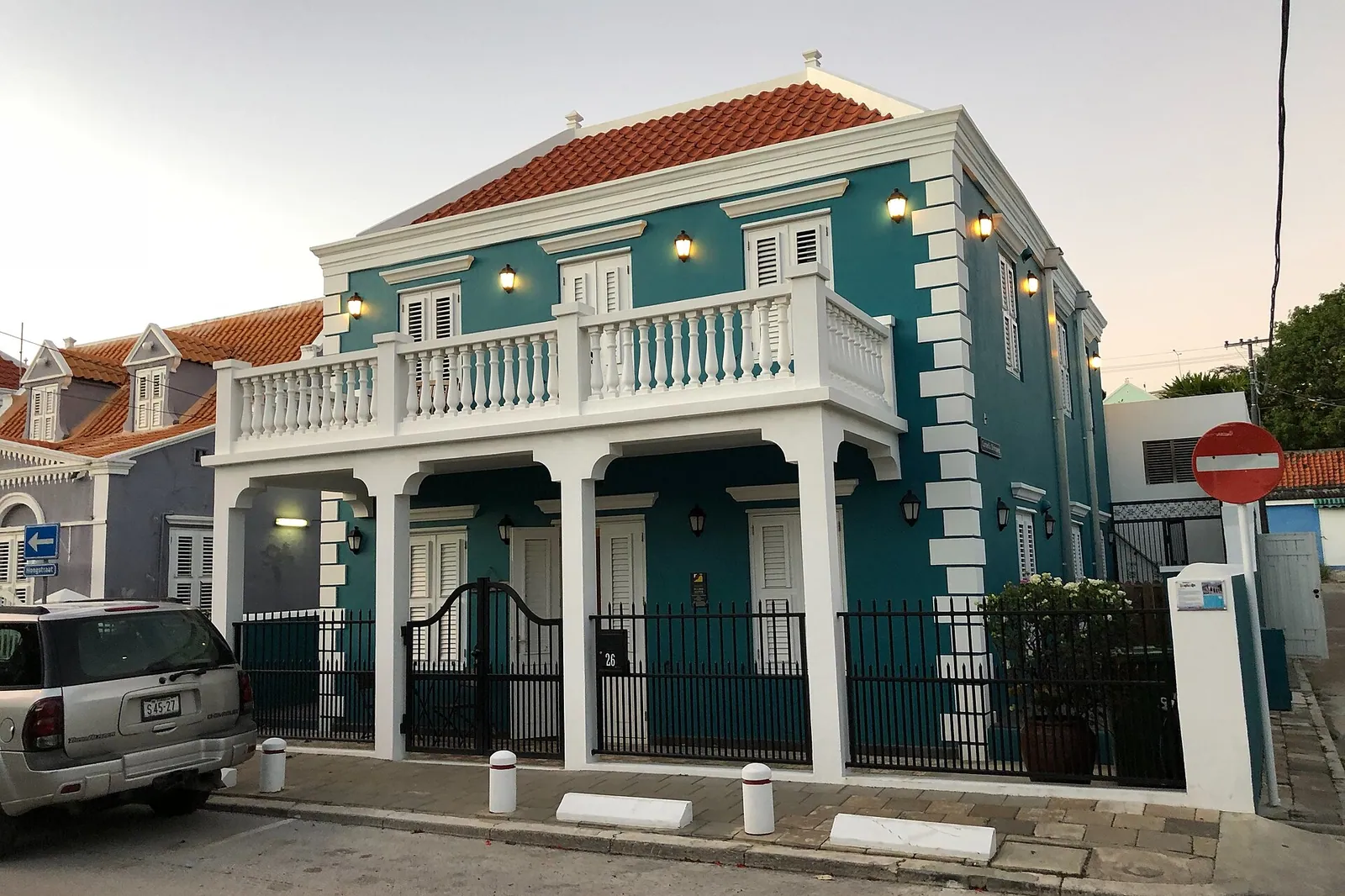
Weighing a resort vs apartment in Curaçao, especially for longer stays. Local-style guide to pros, cons, and what to check before booking.
In this guide
Resort or apartment in Curaçao? How to choose
Curaçao works well for both resort-style holidays and DIY apartment stays. The right choice depends mostly on how you like to spend your days, how long you’re staying, and how independent you want to be.
Below is a local-style breakdown of pros, cons and concrete things to check before you book.
Staying in a resort
What “resort” usually means in Curaçao
On the island, “resort” can mean anything from a classic all‑inclusive complex to a quieter condo-style property with shared pools and on‑site security. Some are on the beach; many are on rocky coastline or “across the road” from the sea with beach access via partner clubs.
Always read the description carefully—don’t assume beach access or all‑inclusive unless it’s clearly stated.
Pros of a resort
Best for: First‑timers, short trips, low‑effort beach time
- Easy landing: Airport transfer can be arranged, front desk staff are used to helping with tours, taxis and basic questions.
- On‑site amenities: Pool, bar, restaurant, maybe a gym, dive shop or kids’ club. Handy if you don’t want to drive much.
- Security and support: Gated entrances and 24/7 staff. If something breaks, someone comes quickly (in theory).
- Social atmosphere: Bars, organized activities, live music nights. Good if you like a bit of buzz.
- Predictable comfort level: Larger resorts tend to have more consistent standards than random one‑off apartments.
For a week or less, many people find a resort simpler, especially if it’s their first time in the Caribbean.
Cons of a resort
- Less “real Curaçao” feel: You can end up living in a bubble of buffets, pool bars and other visitors.
- Potentially pricier overall: Food and drinks on property can be more expensive than local cafés or supermarkets.
- Less flexibility with meals: If you don’t have a kitchenette, you’re eating out three times a day or relying on resort options.
- Crowds and noise: Music at the pool, events, kids. Fine for some, annoying for others.
- Location trade‑offs: Some big resorts are a bit isolated. Leaving the property means taxis or renting a car.
Resorts for longer stays
You can stay in a resort for two weeks or more, but think about:
- Room type: Regular hotel rooms get small and cluttered fast. Look for suites or units with at least a fridge and basic kitchenette.
- On‑site laundry: Using hotel laundry over and over adds up; self‑service machines are a big plus.
- Walkability: Is there a supermarket or local eateries within walking distance, or will you rely on taxis/car every time?
If you like structure, pools, and knowing “everything is right there,” a resort is usually less stressful even on a longer stay.
Staying in an apartment, condo or villa
What counts as an “apartment” in Curaçao
This could be:
- A studio or one‑bedroom in a residential area
- A condo within an “apartment resort” with shared pool
- A small cottage or casita in someone’s garden
- A full villa, often in gated residential communities
The quality range is wide—from basic but functional to high‑end designer places. Photos and reviews matter a lot.
Pros of an apartment
Best for: Longer stays, families, slow travel, budget control
- Kitchen and fridge: Huge money‑saver and comfort boost. Breakfast at “home,” pack beach snacks, cook some dinners.
- More space: Separate bedrooms and living area make a big difference, especially with kids or friends.
- Local atmosphere: You’ll notice everyday island life—neighbours, dogs, church bells, food trucks.
- Flexible schedule: No buffet times, no dress codes; just come and go.
- Better for long stays: For 10+ days, an apartment usually feels more like a temporary home.
Cons of an apartment
- Less service: No front desk; if something breaks, you coordinate with the owner or manager. Response times vary.
- You handle logistics: Car rental, tours, airport transfer, groceries—nothing is “just included.”
- Security varies: Most places have bars on windows and gates; some areas feel more secure than others. You need to follow common‑sense precautions.
- No or limited amenities: Not all have pools, sea views, or direct beach access. Check carefully.
- Possible noise: Roosters, dogs, music from neighbours or nearby bars. That’s part of local life but not everyone loves it.
Apartments for longer stays
For stays of two weeks or more, apartments usually win in terms of comfort and cost control. When browsing:
- Prioritize reliable Wi‑Fi if you’re working remotely.
- Look for air‑conditioning in bedrooms at minimum.
- Check if electricity is included or charged separately (see more on this below).
- Ask about discounts for longer stays—many hosts will offer them outside peak periods.
What to consider for longer stays (2+ weeks)
Location and driving
On Curaçao, where you stay shapes your whole trip more than “resort vs apartment.”
- No car: You’ll want to be in or near Pietermaai, Punda, Otrobanda, or Mambo/Bapor Kibra so you can walk to food and the beach or use short taxis.
- With a car: You can look at quieter residential areas or west side locations with easier access to uncrowded beaches.
Public transport exists but is not frequent or tourist‑friendly enough to rely on daily for a long stay.
Cost of living and food
- Supermarkets carry plenty of imported goods; cooking at “home” helps control costs.
- Many long‑stay visitors do a mix: breakfast and some dinners in the apartment, then choose a few nights out at restaurants or beach clubs.
- Resorts without kitchenettes make you dependent on restaurants; good for a short treat, expensive for a month.
Comfort and routine
Over time, you’ll appreciate:
- Laundry options: In‑unit washer, shared machines, or nearby laundromat. Doing laundry in a sink gets old fast.
- Storage space: Wardrobes, shelves, hooks—rarely mentioned in listings but very useful.
- A decent table and chairs: For remote work, eating, or planning day trips.
What to check before booking any place
1. Exact location and surroundings
- Map it: See how far it is to:
- The nearest supermarket
- A swimmable beach (not just “ocean view”)
- Restaurants/bars you might use
- Ask about the area at night: Some streets are quiet and residential, others lively with music or traffic.
- In Willemstad neighborhoods, check whether you’re uphill or downhill; walking back in the heat may feel very different from the map.
2. Safety measures
Curaçao is generally relaxed, but petty theft happens.
Check for:
- Secure doors and window bars or shutters
- Safe for passports and electronics
- Well‑lit entrances and parking
- Clear rules (e.g. don’t leave valuables in cars, close gates, etc.)
In resorts, ask where valuables should be stored and whether there’s security patrol.
3. Air‑conditioning and utilities
Electricity is relatively expensive on the island; this affects both comfort and cost.
- Confirm which rooms have AC—often it’s only bedrooms.
- Ask if electricity is included in the price or charged separately based on usage:
- If separate, ask how the meter reading works and what happens if you go over.
- Use AC mainly at night with doors/windows closed for efficiency.
- Check if there are fans as well; sometimes that’s enough during the day.
4. Internet and remote work
If you need to work:
- Ask for a recent internet speed test screenshot if it’s crucial.
- Check if the modem/router is inside your unit or shared for the whole property.
- Ask how often power cuts occur and whether there’s any backup (not common, but some places have small UPS units).
5. Noise levels
This applies to both resorts and apartments.
- Ask directly: “Is there music from bars, beach clubs, or neighbours late at night or on weekends?”
- Check reviews mentioning “quiet” or “noisy.” Pay attention to what kind of noise: street traffic, dogs, church bells, beach bar DJs.
6. Beach access and swimming
Descriptions can be vague. Clarify:
- Distance to the nearest swimmable beach in minutes walking/driving.
- Whether beach access is free or via a beach club that sometimes charges a day fee.
- If it’s a rocky shoreline, check if there are ladders/platforms into the water or if it’s mainly for views.
In resorts, ask if loungers/umbrellas at the associated beach are included or extra.
7. House rules and services
For apartments:
- Cleaning frequency: Once per week? Extra cost?
- Linen and towel changes: How often?
- Guest policy: Can you have visitors? Any quiet hours?
For resorts:
- Confirm what’s actually included: breakfast, half‑board, all‑inclusive, drinks, kids’ activities, parking, etc.
How to decide: a simple rule of thumb
-
Choose a resort if:
- You’re staying under 10 days.
- You want easy, low‑planning beach time and don’t mind paying extra for convenience.
- You prefer having staff on hand and ready‑made activities.
-
Choose an apartment/condo if:
- You’re staying two weeks or more.
- You want more space, local feel and flexibility, and you’re fine arranging things yourself.
- You plan to rent a car and explore many beaches and neighborhoods.
A popular compromise is: resort for the first few days, then move to an apartment once you’ve found your rhythm.
Good to know
- Season matters: Around major holidays and peak months, resorts can feel very busy, and apartment options book out earlier. Shoulder seasons give more choice and calmer vibes.
- Car rental is often the key factor: The more independent your accommodation, the more useful a car becomes. If you absolutely don’t want to drive, lean toward walkable resort or city locations.
- Reviews are your friend: Look for consistent comments about cleanliness, host responsiveness, Wi‑Fi, and noise. One angry review says less than a pattern.
- Be clear on cancellations: Weather is usually stable, but flights and personal plans change. Check cancellation and payment terms carefully before you commit.
- Ask questions before booking: Hosts and hotels used to international guests will happily answer specifics. Their tone and speed of reply tell you a lot about what staying there will feel like.
FAQ
Is it worth going all‑inclusive in Curaçao?
All‑inclusive can be convenient if you don’t plan to explore much and like fixed costs. However, Curaçao has a lot of good local food and beach clubs, so many visitors prefer more flexible options to eat around the island.
Do I need a car if I stay in a resort?
If your resort is on a busy beach strip, you can get by with taxis and walking for a short stay. For visiting the island’s many smaller beaches and nature spots, a car makes life much easier even from a resort.
Are apartments in Curaçao safe?
Most apartments use bars on windows, gates and safes as standard. As anywhere, choose well‑reviewed places, follow basic precautions, lock doors and don’t leave valuables in rental cars or on terraces.
Which areas are best for a first stay?
For easy first visits without much driving, many people look around Willemstad neighborhoods (Punda, Pietermaai, Otrobanda) or the popular beach zones east of town. After a first trip, some visitors then branch out to quieter west‑side areas.
How far in advance should I book?
For peak holiday periods and popular school vacation weeks, book both resorts and apartments several months ahead. Outside those times, you often have more flexibility, but the nicest and best‑located places still tend to go first.
Prices and opening times change. Always check current details before you go.
The weekly Curaçao letter
One short email a week: what's on, a useful guide and an insider tip. Free, unsubscribe anytime.
🎁 Free when you subscribe: the First-timer's Curaçao Checklist (PDF).
Where to stay
Long Stays in Curaçao: How to Settle In for 2+ Weeks
A practical guide to long stays in Curaçao: where to stay, how to budget, shop, get around, and create easy routines that make the island feel like home.
Staying on West Curaçao: Quiet, Nature & Diving
Considering staying on the west side of Curaçao? Guide to the quieter, nature-focused lifestyle, who it suits, and why you’ll want a rental car.
Where to stay in Curaçao: main areas compared
Unsure where to stay in Curaçao? Compare Willemstad, Pietermaai, Jan Thiel, Mambo and the west side, with honest pros, cons and who each area suits.