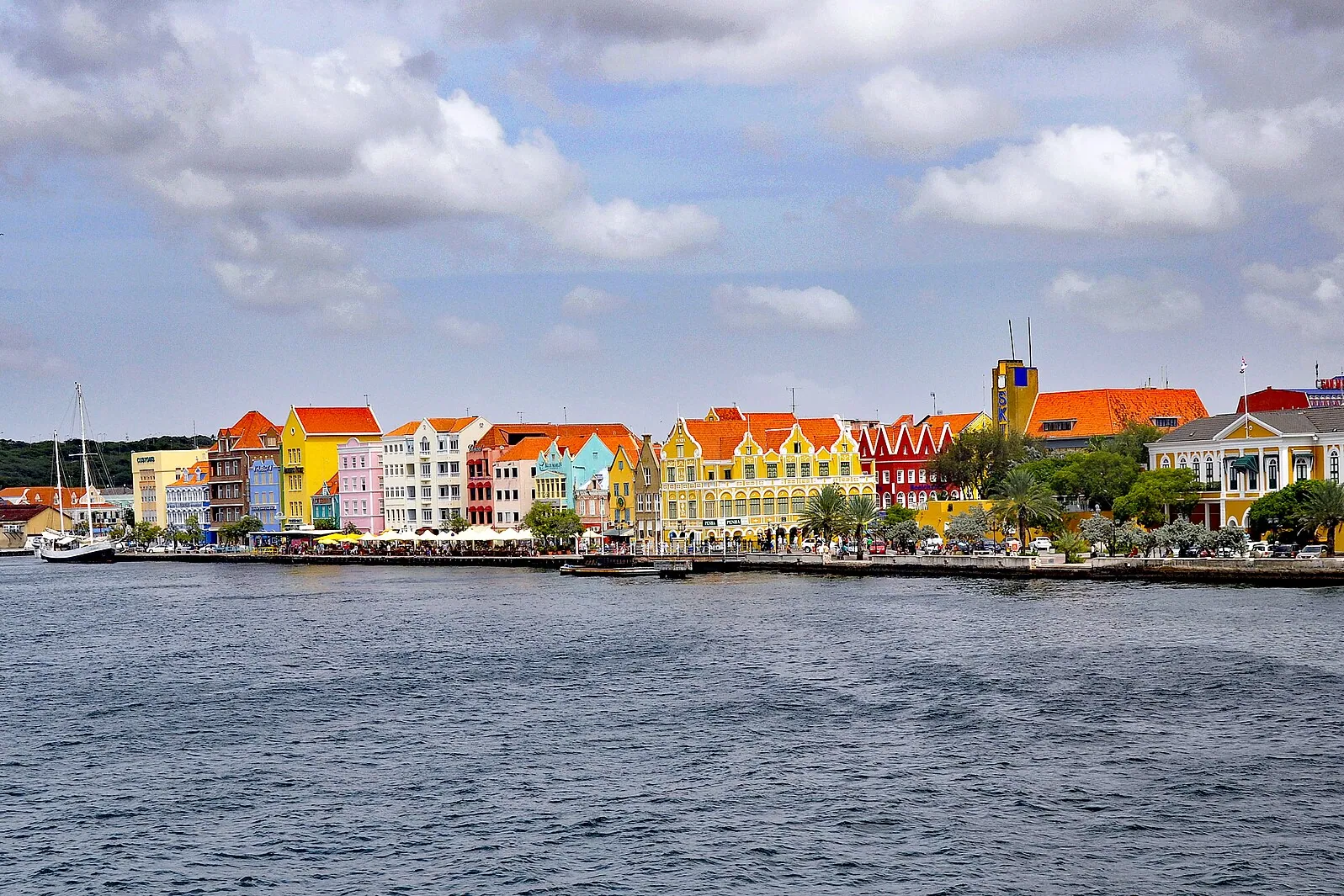
Practical guide to money in Curaçao: local currency, using cards and cash, ATMs, safety, tipping customs and what to expect on the island.
In this guide
Money in Curaçao: what visitors really need to know
Curaçao is easy to navigate money‑wise once you know a few local quirks. You’ll deal with two main currencies, card payments are common but not universal, and tipping is more low‑key than in North America.
Below is a practical breakdown so you can avoid surprises and ATM runs in the middle of your holiday.
Currency in Curaçao
The local currency: ANG (Guilders / Florins)
Best for: Everyday expenses, smaller shops, getting local change.
Curaçao’s official currency is the Netherlands Antillean guilder, written as ANG or sometimes NAf. Locals still often say “florin”. You’ll see it on menus, in supermarkets and at gas stations.
Key things to know:
- Notes and coins look different from euros or US dollars; don’t mix them in your wallet.
- You’ll usually get your change in guilders even if you pay in US dollars.
- Supermarkets, Chinese minimarkets (“tokos”), and local snack spots tend to list prices in guilders by default.
You don’t need to arrive with ANG in your pocket. Many visitors rely on cards and ATMs and only withdraw guilders once on island.
Using US dollars
Best for: Tourist areas, resorts, excursions, cruise visitors.
US dollars are widely accepted across Curaçao, especially in:
- Hotels and resorts
- Most restaurants in popular areas (Punda, Pietermaai, Mambo, Jan Thiel, some beach clubs)
- Tour operators and activities focused on visitors
Watch out for:
- Change in guilders: pay in USD, get your change in ANG.
- Rounding: small price differences can appear due to how each place handles conversions.
- Supermarkets: some do accept USD, but it’s less consistent and usually not as good value as paying in guilders.
Euros are less commonly accepted for direct payment. If you bring euros in cash, plan to change them or use an ATM with an EU card instead of paying in shops directly.
Using credit and debit cards
Where cards are accepted
Best for: Mid‑range and upscale travel, less cash‑heavy days.
Visa and Mastercard are widely accepted on the island. You’ll find card terminals in:
- Most hotels, larger guesthouses and beach resorts
- Many restaurants and bars in main tourist zones
- Larger supermarkets and gas stations
- Big shops, malls, dive centers, tour desks
Places where cards are more hit‑or‑miss:
- Roadside snack trucks and “truki pan” food trucks
- Small neighborhood bars
- Rural minimarkets, especially outside Willemstad
- Local buses (these are cash only)
Have some cash handy for anything that looks small, local or mobile (like market stalls or beach chair guys walking the sand).
Chip, PIN, contactless and mobile wallets
Terminals almost always support chip and PIN, and contactless (tap) is increasingly common. Signature‑only cards can be trickier; staff may not know what to do with them, so having a PIN is very helpful.
Mobile wallets (Apple Pay, Google Pay, etc.) are possible where terminals support them, but not guaranteed. Don’t rely on your phone alone—always carry the physical card.
Dynamic currency conversion (DCC)
Sometimes, card machines will offer to charge you in your home currency instead of ANG or USD. In most cases this “convenience” comes with a worse rate.
If you’re comfortable with it, choose to pay in the local currency on the terminal. It usually works out cheaper over a trip.
ATMs in Curaçao
Finding and using ATMs
Best for: Getting local cash at a reasonable rate.
ATMs are common in and around Willemstad and at major tourist hubs. You’ll find them:
- At or near large supermarkets
- In shopping centers and busy streets
- Near popular beaches and resort areas
- At banks in town
Outside the main areas, machines are more spread out, so don’t wait until your wallet is totally empty to go hunting.
Most ATMs offer withdrawals in ANG, and many also in USD. You can choose which works better for you, but using the local currency usually makes everyday purchases simpler.
Limits, fees and card issues
ATM limits, fees, and supported networks vary by bank and by your home bank’s policy:
- Expect both a local ATM fee and possibly a foreign transaction/withdrawal fee from your own bank.
- Some ATMs accept only certain international networks (Plus, Cirrus, Maestro). If one rejects you, try another bank brand before panicking.
- Machines can occasionally run out of cash on busy weekends or holidays—don’t wait until late at night to get money.
To keep things smooth:
- Tell your bank you’re traveling to Curaçao, so they don’t block your card.
- Bring at least two different cards (ideally from different banks or networks).
- Take out a sensible amount each time instead of many tiny withdrawals to reduce per‑transaction fees.
Cash: how much do you really need?
When cash is essential
Best for: Street food, small tips, local transport.
Plan to use cash for:
- Street stalls, snack trucks and “truki pan”
- Small bars far from tourist centers
- Local buses and shared vans (“bus di pueblo”)
- Public toilets in certain areas
- Parking attendants in some non‑metered lots
- Small tips and pooled gratuities
If you’re staying mainly in a resort area, eating at mid‑range or upscale restaurants, and using taxis or rental cars, you’ll use more cards than cash—but still keep some bills.
What denominations to carry
Try to keep a mix of smaller bills and coins:
- Small notes and coins: handy for parking, tips, bus fares, and little snacks.
- Avoid relying only on big notes: some smaller places won’t have change or will be reluctant to accept them.
If you withdraw cash from ATMs, you’ll often get larger notes—break them at supermarkets or bigger shops early in your trip.
Tipping customs in Curaçao
General approach to tipping
Best for: Understanding expectations vs. nice‑to‑do extras.
Curaçao’s tipping culture is more modest than in the US, but visitors have influenced it in tourist areas. Tipping is usually appreciated, not aggressively pushed.
There is no single fixed rule, but you’ll see patterns by situation:
- Restaurants: Many add a service charge for groups, and some for everyone. If there’s a clear service charge on the bill, an extra small tip is optional. If no service is included and service was good, a modest tip is common.
- Bars and beach clubs: Rounding up or leaving small change is routine. For table service, leaving a bit more is appreciated if you stayed a while.
- Hotels: Bell staff, housekeeping and special services (e.g., unusual requests) often receive small tips, especially at higher‑end properties.
If you’re unsure whether service is included, just ask: “Is service included?” Staff are used to the question and typically answer plainly.
Taxis, tours and other services
- Taxis: Tipping is not as automatic as in some countries, but rounding up or adding a little extra for helpful drivers is common.
- Tour guides and activity staff: Many depend on tips; if you enjoyed the day, a gratuity is normally expected, especially on boat trips or small‑group tours.
- Dive shops, instructors, boat crews: A shared tip for the crew is typical and often handled by a tip jar or envelope.
Cash is still the main way to tip. Some places add a “tip” line on the card receipt; you can use it, but be aware staff may not always get 100% depending on the employer’s system.
Safety and practical tips with money
- Carry only what you need for the day and keep the rest locked up where you’re staying.
- Use ATMs in well‑lit, busy places—inside supermarkets, malls or bank lobbies when possible.
- Don’t flash big wads of cash on beaches or in parking lots.
- Split cards and cash between two people or two locations (wallet + room safe) so one loss doesn’t ruin your trip.
- Keep photos or copies of card numbers and bank contact info somewhere secure in case you need to report a loss.
Digital and online payments
Online booking and payment for tours, restaurants and beach clubs is increasingly normal. Many businesses take card payments online, and some ask for deposits for popular experiences or busy days.
Still, once you’re physically on the island, don’t count on paying everything with apps or QR codes—local payment systems often cater to residents’ bank apps rather than foreign cards.
Good to know
- Curaçao is part of the Dutch Caribbean, but it doesn’t use the euro; the guilder is separate from the euro zone.
- ATM, bank and exchange office opening details and fees change over time; check the latest info when you arrive or ask your accommodation.
- If you’re renting a car, most major gas stations take card, but it’s smart to have enough cash for at least one full tank just in case.
- Keep a bit of small cash until you’re at the airport departure gate; you may want it for a last drink, snack or small souvenir where cards might not be used for tiny purchases.
FAQ
Do I need to bring cash to Curaçao or can I rely on cards?
You can rely heavily on cards in tourist areas, but you should always have some cash for small, local and spontaneous purchases. ATMs are available on the island, so you don’t have to bring all your cash from home.
Can I use US dollars everywhere in Curaçao?
You can use US dollars in most tourist‑oriented places, but not literally everywhere. Supermarkets, rural shops and some small local businesses are more comfortable with guilders, and you’ll usually get change in guilders even if you pay in dollars.
Are ATMs in Curaçao safe to use?
ATMs in normal public and bank locations are generally fine to use if you follow basic precautions. Choose well‑lit, busier places, cover the keypad, and keep an eye on anyone standing too close.
How much should I tip in restaurants in Curaçao?
It depends on whether a service charge is added. If it is, any extra tip is optional and usually modest; if not, leaving a reasonable tip for good service is common. Always check the bill carefully and ask if you’re unsure.
Is it easy to exchange euros or other currencies in Curaçao?
Major foreign currencies can usually be exchanged at banks or exchange offices, though policies shift and not every branch handles every currency. For most visitors, using ATMs or paying directly by card is simpler than carrying large amounts of foreign cash to exchange.
Prices and opening times change. Always check current details before you go.
The weekly Curaçao letter
One short email a week: what's on, a useful guide and an insider tip. Free, unsubscribe anytime.
🎁 Free when you subscribe: the First-timer's Curaçao Checklist (PDF).
Plan your trip
Useful Papiamentu phrases visitors really use
Handy Papiamentu phrases for Curaçao, with simple pronunciation and when to use them. Speak a bit like a local and connect beyond “bon bini”.
Working Remotely from Curaçao: A Practical Guide
How to work remotely from Curaçao: internet, SIM cards, work‑friendly spots, neighborhoods, long stays and everyday logistics for digital nomads.

One Perfect Day in Curaçao on a Cruise Stop
How to use one day in Curaçao from the cruise terminal: easy walks, beaches, food, shopping and short trips further out, with honest local tips.