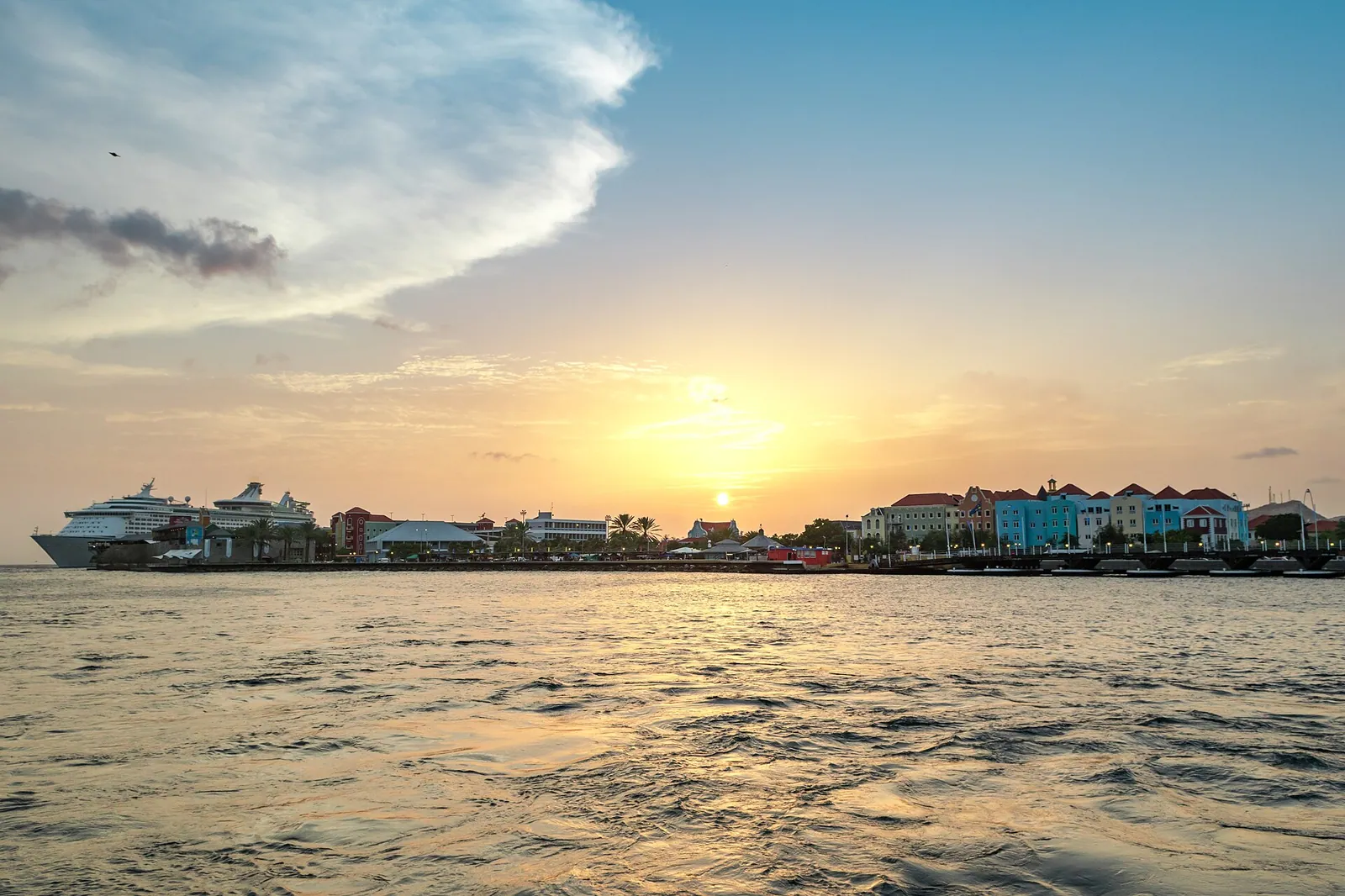
How to use one day in Curaçao from the cruise terminal: easy walks, beaches, food, shopping and short trips further out, with honest local tips.
In this guide
- One Day in Curaçao from the Cruise Port
- Understanding the Cruise Port Area
- Willemstad on Foot: Colorful and Compact
- Close-By Attractions You Can Walk or Cab To
- Beach Time with a Cruise Schedule
- Quick Tours You Can Squeeze into One Day
- Food & Drinks Near the Port
- Shopping and Souvenirs
- Sample One-Day Itineraries
- Good to Know
- FAQ
One Day in Curaçao from the Cruise Port
Arriving by cruise gives you a good snapshot of Curaçao, but timing and distance matter. The main cruise terminals sit right by Willemstad, so you can do plenty on foot, then add a beach or quick tour if your schedule allows.
This guide is written for people who have one day or less, want to avoid stress about getting back on time, and still see more than just souvenir shops.
Understanding the Cruise Port Area
Most ships dock at either Mega Pier (Otrobanda side) or the Mathey Wharf / Rif Fort area. Both are a short walk from historic Willemstad.
You step off into: - A waterfront promenade - Shopping and restaurants - Easy access to taxis and tour stands - A short walk to the famous Queen Emma pontoon bridge
If your time in port is tight (4–6 hours), staying in and around Willemstad is usually your best bet. With 8–10+ hours, you can add a beach or quick island tour.
Willemstad on Foot: Colorful and Compact
Punda: Handelskade, Shopping & Street Art
Best for: First-time visitors, easy strolling, photos, light shopping
Walk across the moving Queen Emma Bridge into Punda, the pastel-colored heart of Willemstad. The area is compact, flat, and easy to explore in a couple of hours.
Highlights: - Handelskade: The classic postcard view of Curaçao—bright Dutch Caribbean facades along the water. - Main shopping streets: Narrow, shaded streets with boutiques, pharmacies, and international brands mixed with local shops. - Alleys and murals: Several side streets are full of street art and small cafés.
Tips: - Start early if multiple ships are in port; it gets busier later. - The bridge occasionally opens for boat traffic. There’s a free ferry that runs when it’s open, so you won’t get “stuck.”
Otrobanda: Views Back to Punda
Best for: Photography, a slightly quieter walk, local vibe
Otrobanda is the side where most ships dock. Walk the waterfront and inner streets for a more lived-in feel.
What to do: - Stroll the seaside promenade for wide-angle views of Punda and the Queen Emma Bridge. - Wander a few blocks inland for colorful houses and small local businesses. - Look for viewpoints near the water for photos of your ship framed by the historic town.
Otrobanda feels less polished than Punda, but that’s part of its charm.
Close-By Attractions You Can Walk or Cab To
Forts & Waterfront Promenades
Best for: Short, low-effort sightseeing, food & drinks with a view
Near the cruise terminals you’ll find old forts repurposed as shopping and dining areas. They are easy to reach on foot.
Expect: - Stone walls, cannons and sea views - Cafés, bars and restaurants overlooking the entrance to the harbor - Quick, informal photo stops
These areas are very cruise-friendly, so they’re convenient if you prefer to stay close to the ship.
Kura Hulanda Museum Area
Best for: History-minded visitors, quieter streets, short cultural stop
On the Otrobanda side, a few minutes’ walk from the water, is a restored quarter with cobbled lanes, small courtyards and a well-known museum focusing on the transatlantic slave trade and regional history.
Why go: - Offers deeper context about Curaçao beyond beaches. - Easy to combine with a walk through Otrobanda.
If you’re short on time, you can simply wander the area’s streets and courtyards without committing to a full museum visit.
Beach Time with a Cruise Schedule
You won’t find a true sandy beach right at the cruise pier. To swim and snorkel you’ll need to leave the immediate port area. How far you go depends on your time in port and your risk tolerance for traffic and delays.
City/Urban Beaches (Short Taxi Ride)
Best for: Limited time, simple logistics, casual swimming
Several small beaches lie a short drive from the port. These aren’t remote postcard coves, but they give you warm water, a place to sit, and often food and drink nearby.
Typical features: - Sandy or partly sandy entries - Calm water suitable for casual swimming - Facilities like restrooms and places to buy drinks or rent loungers
Choose these if: - You have 4–6 hours in port and don’t want to stress about distance. - You’re visiting with kids or less-mobile relatives and want easy access.
Ask your taxi driver which city beach makes most sense that day based on traffic and your return time.
West Side “Knip & Co.” Beaches (Longer Trip)
Best for: Longer port times, beach lovers, clearer water & scenery
Curaçao’s most famous beaches are along the west coast (“Banda Abou”), typically 35–60 minutes from the cruise port by car depending on traffic and exact beach.
Expect: - Turquoise, usually clearer water - Better snorkeling from shore at some spots - More dramatic cliffs and coves
Downsides for cruisers: - Extra travel time eats into your day. - You must leave a generous buffer before all-aboard in case of traffic, roadworks or weather.
This can be wonderful if your ship stays late into the evening or overnight, but for short port calls it’s often wiser to stick closer to town.
Quick Tours You Can Squeeze into One Day
Island Highlights / City & Country Combo
Best for: First-timers, seeing more than the port, no driving
Short “island highlights” tours often include: - Willemstad viewpoints (Queen Juliana Bridge, harbor panorama) - A drive through residential neighborhoods - A quick stop at a historic plantation house or local distillery - A brief beach or cliff viewpoint stop
Pros: - Structured and time-conscious; many are tailored to cruise schedules. - You get a broader sense of the island without planning all the logistics yourself.
Cons: - Short stops; you won’t deeply explore any single site. - Group pace; less flexibility to linger.
Snorkeling & Boat Trips
Best for: Active travelers, water lovers, simple planning
Short boat trips and snorkel tours often pick up close to the port or provide clear transfer instructions.
Common options: - Reef snorkeling near town - Snorkeling at a site known for sea turtles (sightings are not guaranteed) - Short coastal cruises with swim stops
For cruise visitors: - Look for tours clearly marked as cruise-friendly, with start/end times that leave a buffer. - Confirm where you’ll be collected and dropped off; walking distance to the pier is ideal.
Longer full-day boat trips to far-off spots can be risky if your ship departs mid-afternoon; only book those if your ship stays into the evening and the operator is experienced with cruise scheduling.
Food & Drinks Near the Port
Quick Local Bites
Best for: Travelers on a schedule who still want something “local”
Within walking distance of the ship you can find: - Casual spots with local dishes (stews, fried snacks, fresh fish when available) - Food stands or small cafés with pastechi (stuffed pastries), funchi (polenta-like), or fried plantains
Tips: - Lunchtime is when you’ll see the widest variety of local food. - Portions can be generous; sharing plates is common and accepted.
Waterfront Drinks & Views
Best for: Relaxing within sight of your ship, easy meet-up point
Along the promenade and in the fort areas you’ll find: - Bars overlooking the entrance to the harbor - Cafés on small squares or inside historic courtyards - Places to try local beer or rum-based cocktails
It’s normal to just order a drink and enjoy the view; you don’t need to eat a full meal.
Shopping and Souvenirs
What’s Worth Buying in One Day
Best for: Low-pressure browsing, small gifts
Near the port and in Punda you’ll find: - Local-style art and colorful prints - Curaçao liqueur and other regional spirits - Handicrafts, jewelry, and beachwear - Standard cruise-port souvenirs (t-shirts, magnets, shot glasses)
Tips: - If you want something locally made, ask where it was produced; not everything is. - Liquor rules vary by cruise line, so check how onboard storage works if you buy bottles.
Sample One-Day Itineraries
If You Have 4–6 Hours in Port
- Walk across the Queen Emma Bridge and wander Punda.
- Photo stop on Handelskade and the harbor.
- Light shopping and a drink or snack.
- Short taxi ride to a city beach for 1–2 hours of swimming.
- Return with at least an hour to spare before all-aboard.
If You Have 8–10+ Hours in Port
Option 1 – Beach & City: - Morning island highlights or half-day beach tour. - Return mid-afternoon. - Late afternoon wander through Punda and Otrobanda. - Sunset drink near the water, back onboard with time to spare.
Option 2 – DIY West Coast (only if you’re comfortable judging time): - Early taxi or rental car to a west-coast beach. - Swim, snorkel, have lunch. - Head back with a large time buffer for traffic. - Short stroll around the port area before boarding.
Good to Know
- Time zones & ship time: Curaçao may or may not match your ship’s “official” time. Always go by ship time and double-check before planning anything independently.
- Getting around: Taxis are usually waiting at the cruise area. Ask about the total price before you get in, and confirm whether it’s per taxi or per person.
- Public buses: They exist but are infrequent and slower. For a short cruise stop, they’re rarely ideal if you’re watching the clock.
- Money: Local currency is the Antillean guilder, but US dollars are widely accepted in tourist areas. Small bills are useful; coins may be given in local currency.
- Language: Papiamentu is the local language, but most people in tourist areas speak English and often Dutch and Spanish as well.
- Sun & heat: The sun is strong year-round. A hat, reef-safe sunscreen, and drinking water make a big difference, especially if you’re walking between neighborhoods.
- Safety: The cruise and downtown areas are generally busy and feel safe by day. As anywhere, keep an eye on your belongings and avoid flashing valuables.
FAQ
Is it safe to walk from the cruise ship to Willemstad?
Yes. The walk from the cruise terminals into Punda and Otrobanda is straightforward, busy, and commonly used by visitors. Use normal city awareness and follow the main pedestrian routes.
Can I see Curaçao’s famous beaches during a cruise stop?
You can, but the best-known west-coast beaches are a significant drive from the port. With a short stop it’s usually smarter to visit closer beaches; with a long stop and careful timing, a west-side trip is possible.
Do I need to book a tour, or can I just explore on my own?
You can easily explore Willemstad on foot without a tour. For beaches or more distant sights, a tour or pre-arranged taxi can save time and reduce stress about getting back to the ship.
Is snorkeling worth it if I only have one day?
If you enjoy the water, yes. Even a short snorkel near town gives you a taste of Curaçao’s marine life. Just choose a location that doesn’t require long travel times, and avoid tight back-to-ship timing.
What should I do if the Queen Emma Bridge is open when I need to cross?
When the swinging bridge is open for boat traffic, a small free ferry shuttles people between Punda and Otrobanda. Follow the crowd to the ferry; crossings are quick and frequent.
Prices and opening times change. Always check current details before you go.
The weekly Curaçao letter
One short email a week: what's on, a useful guide and an insider tip. Free, unsubscribe anytime.
🎁 Free when you subscribe: the First-timer's Curaçao Checklist (PDF).
Plan your trip
Useful Papiamentu phrases visitors really use
Handy Papiamentu phrases for Curaçao, with simple pronunciation and when to use them. Speak a bit like a local and connect beyond “bon bini”.
Working Remotely from Curaçao: A Practical Guide
How to work remotely from Curaçao: internet, SIM cards, work‑friendly spots, neighborhoods, long stays and everyday logistics for digital nomads.
Curaçao with kids: a practical family guide
How to plan a family trip to Curaçao: kid-friendly beaches, activities, areas to stay, transport tips, and what parents should know before visiting.