A local-style guide to Curaçao’s museums, plantations, street art and cultural spots, with honest tips and easy half- and full-day combos.
In this guide
- Curaçao for culture lovers: where to start
- Willemstad’s historic center
- Synagogue & Jewish heritage
- Forts and the harbor
- Museums: from slavery history to everyday culture
- Landhuizen (country estates) and plantations
- Street art routes beyond the center
- Small foundations and cultural initiatives
- Suggested cultural itineraries
- Good to know
- FAQ
Curaçao for culture lovers: where to start
Curaçao packs a lot of history and creativity into a small island: colonial forts, landhuizen (country estates), street art, and small foundations keeping Afro-Caribbean heritage alive. You do not need a history degree to enjoy it, but a bit of structure helps.
Below you’ll find the main types of places:
- museums in and around Willemstad
- historic landhuizen and plantations
- street art neighborhoods and walking routes
- small community and art initiatives
For each, you’ll see who they suit, how “heavy” the content feels, and how to combine them into relaxed half or full days.
Willemstad’s historic center
Punda
Best for: first-time visitors, photos, easy walking
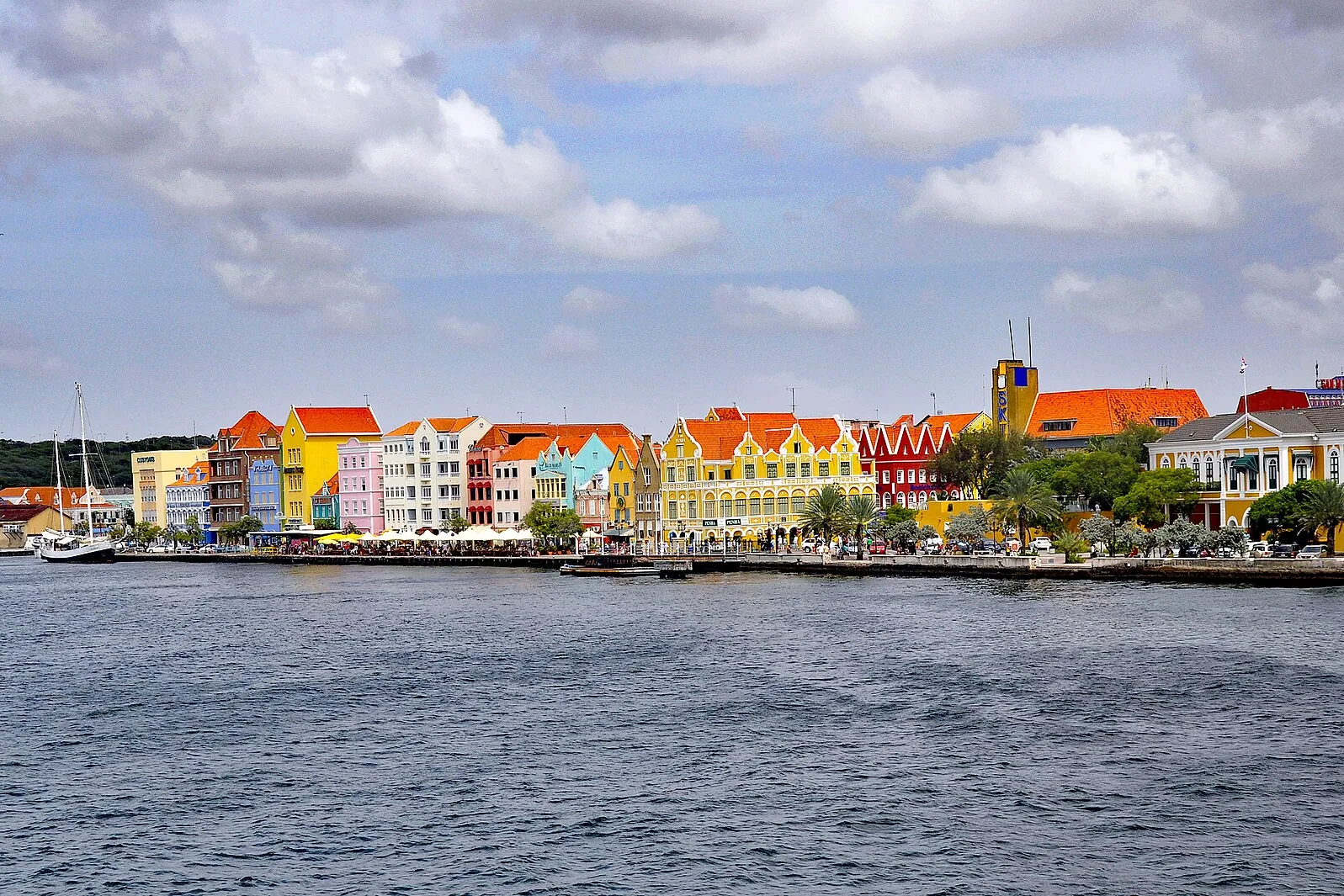
Punda is the classic pastel waterfront you see in photos of Curaçao, but it is more than a pretty face. The grid of narrow streets holds small museums, galleries and historical buildings, all within a short walk.
What to look for:
- The Handelskade waterfront and Queen Emma Bridge for the basic “I was here” shots.
- Side streets behind the main shopping area where you’ll find:
- small art galleries
- courtyards with murals and sculptures
- a few low-key history exhibits in restored townhouses
You can combine Punda with:
- the synagogue and small Jewish museum in the same area
- a short ferry or bridge walk to Otrobanda for street art
Plan 2–3 hours if you like to browse shops and sit for a drink, less if you just want a stroll and a museum.
Otrobanda
Best for: street art, local vibe, informal history
Otrobanda faces Punda across the harbor and used to be the “other side of town” for non-elite residents, now full of character. It is a good place for people who prefer stories told through walls and alleys rather than glass display cases.
Highlights:
- Bright murals on houses and alleyways, mixing Afro-Caribbean themes, sea life and social messages.
- Restored lanes near the waterfront where historic townhouses have become bars, studios and mini-galleries.
- Occasional community art spaces hosting workshops or exhibits (these come and go, so ask locals or your host what’s current).
Otrobanda works well in:
- a half day Punda + Otrobanda loop, crossing the floating bridge one way and maybe the free ferry back
- a late-afternoon photo walk followed by sunset by the water
Most murals are easy to enjoy without context, but a guided walk (self-guided app or human guide) helps connect them to Curaçao’s history of migration, language and identity.
Synagogue & Jewish heritage
Mikvé Israel-Emanuel Synagogue and museum (Punda)
Best for: history buffs, quiet reflection, architecture lovers
This synagogue is one of the oldest in the Americas still in use, with a sand-covered floor and a compact museum. Displays cover:
- Jewish migration from Europe and the region
- the community’s role in trade and island life
- ritual objects and family stories
The museum is fairly small and straightforward; you do not need much background knowledge, and most labels have clear English explanations. It pairs naturally with a wander through Punda.
Suggested combo (half day):
- Morning in the synagogue and museum
- Lunch in Punda
- Short walk through nearby streets and waterfront
Forts and the harbor
Historic forts around Willemstad harbor
Best for: views, light history, kids who need open space
Several former forts protect the harbor mouth. Many are converted into shops and restaurants, but they still give a sense of Curaçao as a strategic trading hub.
What to expect:
- Thick stone walls, cannons, and lookouts with views of ships and the Queen Emma Bridge.
- Plaques or small exhibits explaining the fort’s origins and role in colonial defense.
- Easy access from both Punda and Otrobanda.
These forts are more about atmosphere than deep interpretation. They’re ideal when you want to feel the setting of history without reading dozens of panels. Combine them with Punda and Otrobanda for an informal full day around the harbor.
Museums: from slavery history to everyday culture
Kura Hulanda Museum area (Otrobanda)
Best for: slavery history, travelers ready for heavy themes
Near Otrobanda’s core, this area centers on an in-depth museum about the transatlantic slave trade and its legacies. Exhibits often include:
- maps and ship diagrams explaining the trade routes
- objects and reconstructions related to enslavement
- sections on African kingdoms and diaspora cultures
Content here can be intense and emotional. Plan at least 1.5–2 hours if you want to read and reflect. It’s not ideal for very young kids, but teenagers and adults interested in honest history usually find it meaningful.
Suggested combo (full day):
- Late morning in the museum
- Lunch in Otrobanda
- Afternoon street art walk and harbor views to decompress
Smaller city museums and galleries
Best for: casual culture sampling, art lovers
Scattered through Willemstad, you’ll find several compact museums and galleries. Exhibits can cover:
- Curaçaoan art (paintings, sculpture, mixed media)
- island history and traditional objects
- temporary shows by local creators
These are usually easy to digest and rarely take more than an hour. They work well between walks and coffee stops or as rain-day options. Because exhibits change, it’s worth asking at your hotel or tourist office which ones are active during your visit.
Landhuizen (country estates) and plantations
Landhuizen are historic country houses from the plantation era, usually on low hills to catch the breeze. Visiting a few gives context to Curaçao’s agricultural past and the lives of both landowners and the enslaved people who worked the land.
A central or eastern landhuis
Best for: architecture, gentle history, café-style relaxation
Several restored landhuizen not far from Willemstad operate as:
- museums of local history or art
- cafés or restaurants in the old mansion
- venues for craft markets or cultural events
What they typically offer:
- a short introduction to the estate’s history
- period architecture, thick walls, high ceilings and wide verandas
- views over former plantation grounds or cactus-filled hills
These spots are generally light and pleasant rather than confronting, though some do touch on slavery and emancipation. They’re suitable for most visitors and make a good half-day outing.
Suggested combo (half day):
- Morning visit to a landhuis east or north of Willemstad
- Lunch on-site if available, or at a nearby beach
- Quick swim before heading back to town
Western landhuizen and plantations
Best for: mixing culture with nature and beach time
Driving west, you’ll find landhuizen that tie easily into:
- cliff-top viewpoints
- national parks and hiking areas
- west coast beaches known for snorkeling
Some offer small museums or exhibitions; others focus more on food, gardens, or art studios. This is where car rental becomes handy.
Suggested combo (full day from Willemstad):
- Morning visit to a western landhuis or two
- Midday stop at a nearby national park or viewpoint
- Afternoon swimming and sunset at a west coast beach
Street art routes beyond the center
Scharloo and Scharloo Abou
Best for: urban explorers, photographers, short DIY walks
Just across from Punda, Scharloo was once a wealthy residential district. Today, parts of it are becoming an open-air gallery with colorful murals and creative reuse of old buildings.
What makes it engaging:
- Many murals are playful and accessible: sea creatures, portraits, and Papiamentu phrases.
- Interesting contrast between worn historic houses and fresh art.
- Easy walking distance from Punda, but far quieter.
Tips:
- Visit in daylight and keep an eye on your surroundings like in any city area.
- Take water; shade can be limited.
- Combine with Punda or Otrobanda in the same morning or afternoon.
Community murals in local neighborhoods
Best for: repeat visitors, people curious about everyday life
Some outer neighborhoods have community-driven murals, often near schools, sports courts or community centers. These are more about local pride than tourist sights, and there may be:
- portraits of local heroes
- messages about unity, environment, or language
- abstract, colorful designs on walls and steps
To get the most out of these, it helps to:
- go with a local guide or friend who knows the area
- be respectful: these are people’s homes, not theme parks
- avoid blocking driveways or photographing kids without permission
Small foundations and cultural initiatives
Afro-Curaçaoan cultural centers and houses
Best for: language, music, hands-on culture
Several small foundations and community centers keep Papiamentu language, tambú music, dance, and traditional crafts alive. Activities can include:
- evening music or dance presentations
- storytelling sessions in Papiamentu with explanations in English
- workshops in drumming, cooking or crafts
Schedules and locations change, so this is where up-to-date local info is essential. Ask:
- your guesthouse or hotel reception
- a local guide
- the tourism board for current events
These experiences are usually very engaging even with little background knowledge because they are interactive. Expect a more informal, community feel than a polished show.
Artist studios and pop-up exhibitions
Best for: art collectors, creative travelers
Independent artists often open their studios or join weekend art routes and markets. You might find:
- open-studio days announced on social media
- night markets mixing food, live music and art stalls
- temporary shows in repurposed buildings in town
This side of the scene is fluid: what exists one year may move or evolve the next. Again, ask around and keep an eye on local posters or online event listings while you are on the island.
Suggested cultural itineraries
Easy first cultural day in Willemstad (no car)
- Morning:
- Walk around Punda: waterfront, back streets and one small museum or gallery.
- Visit the synagogue and its museum if interested in Jewish heritage.
- Lunch in Punda.
- Afternoon:
- Cross the Queen Emma Bridge to Otrobanda.
- Explore street art and harbor views, and, if you have the energy, visit a museum there.
- Sunset:
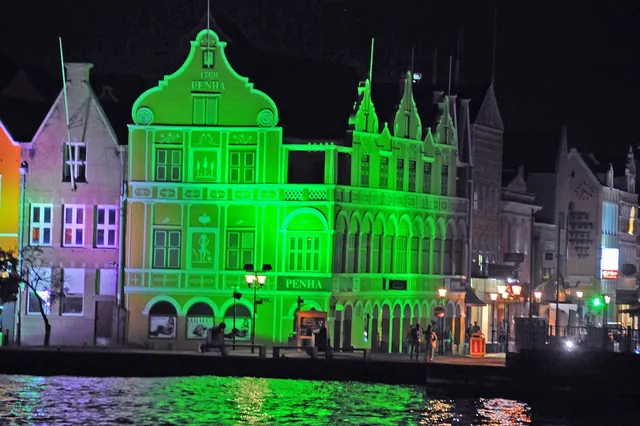
- Enjoy the view of the lit-up city from one of the waterfront areas.
History-focused full day (emphasis on slavery and trade)
- Late morning and early afternoon:
- Deep dive into a major history museum in Otrobanda that covers the transatlantic slave trade and its legacies.
- Lunch nearby.
- Mid-afternoon:
- Gentle wander through Otrobanda’s alleys, looking at murals with fresh context.
- Late afternoon:
- Cross to Punda for the harbor and fort area, imagining the traffic of ships that made this a hub of trade.
This day can be emotionally heavy; balance it with a beach day or nature trip before or after.
Culture + countryside by car (full day)
- Morning:
- Drive to a landhuis in the central or western part of the island.
- Explore the house, any exhibits, and the grounds.
- Lunch:
- At the landhuis if possible, or at a simple spot along the way.
- Afternoon:
- Visit a second landhuis or a national park viewpoint.
- Finish at a west coast beach for snorkeling or sunset.
This mix works well for families: some history and architecture in the morning, then outdoors and water time.
Good to know
- Background reading helps, but isn’t required. If you like context, skim a short history of Curaçao before visiting; otherwise, let the museums and guides do the work.
- Opening hours change. Many museums and landhuizen close on certain days or have shorter weekend hours. Always check their own websites or call ahead.
- Dress and respect. Synagogues, some historic buildings, and community centers appreciate covered shoulders and a modest attitude, even in the heat.
- Language. Most cultural sites have information in at least English and Dutch; guides often switch between Papiamentu, English, Dutch and sometimes Spanish.
- Transport. Willemstad’s core is walkable, but landhuizen and outer neighborhoods are easiest with a rental car or organized tour. Buses exist but may not match museum schedules.
- Tap water. Safe to drink and a good idea to carry; it can be hot in the sun.
FAQ
Is Willemstad walkable for visiting museums and street art?
Yes. Punda, Otrobanda and Scharloo are all close enough to walk between, connected by bridges and short routes. Distances are small, but bring water and sun protection.
Do I need a guide to understand Curaçao’s history?
You can learn plenty from museum labels and self-guided walks, but a local guide adds nuance on slavery, language and daily life. Consider at least one guided tour if you are interested in deeper context.
Are cultural sites in Curaçao suitable for children?
Many are, especially forts, landhuizen, and street art areas. Some slavery-related exhibits may be intense for younger kids; parents usually decide based on their children’s age and sensitivity.
How many days should I plan for culture and history?
If culture is a priority, plan at least two days: one focused on Willemstad’s museums and streets, and one combining a landhuis with countryside or beaches. Culture fans can easily fill more.
Can I visit landhuizen without a car?
A few are reachable by taxi or organized tour from Willemstad, but many are easier with a rental car. If you prefer not to drive, look for culture-focused excursions that include transport.
Prices and opening times change. Always check current details before you go.
The weekly Curaçao letter
One short email a week: our newest guides and an insider tip for your trip. Free, unsubscribe anytime.
🎁 Free when you subscribe: the First-timer's Curaçao Checklist (PDF).
Things to do
Active things to do in Curaçao (beyond the beach)
A practical Curaçao guide to kayaking, SUP, mountain biking, easy hikes and safe cliff-jumping spots, with realistic tips for average visitors.
Easy Nature Walks in Curaçao
Discover easy nature spots in Curaçao beyond Christoffel and Shete Boka: salt pans, short coastal trails, cactus views, plus nearby food and swimming.
Nightlife in Curaçao: Bars, Beach Clubs & Going Out
Discover Curaçao’s nightlife: lively bar areas, beach clubs, music spots and what a typical night out looks like, plus local tips for a smooth evening.