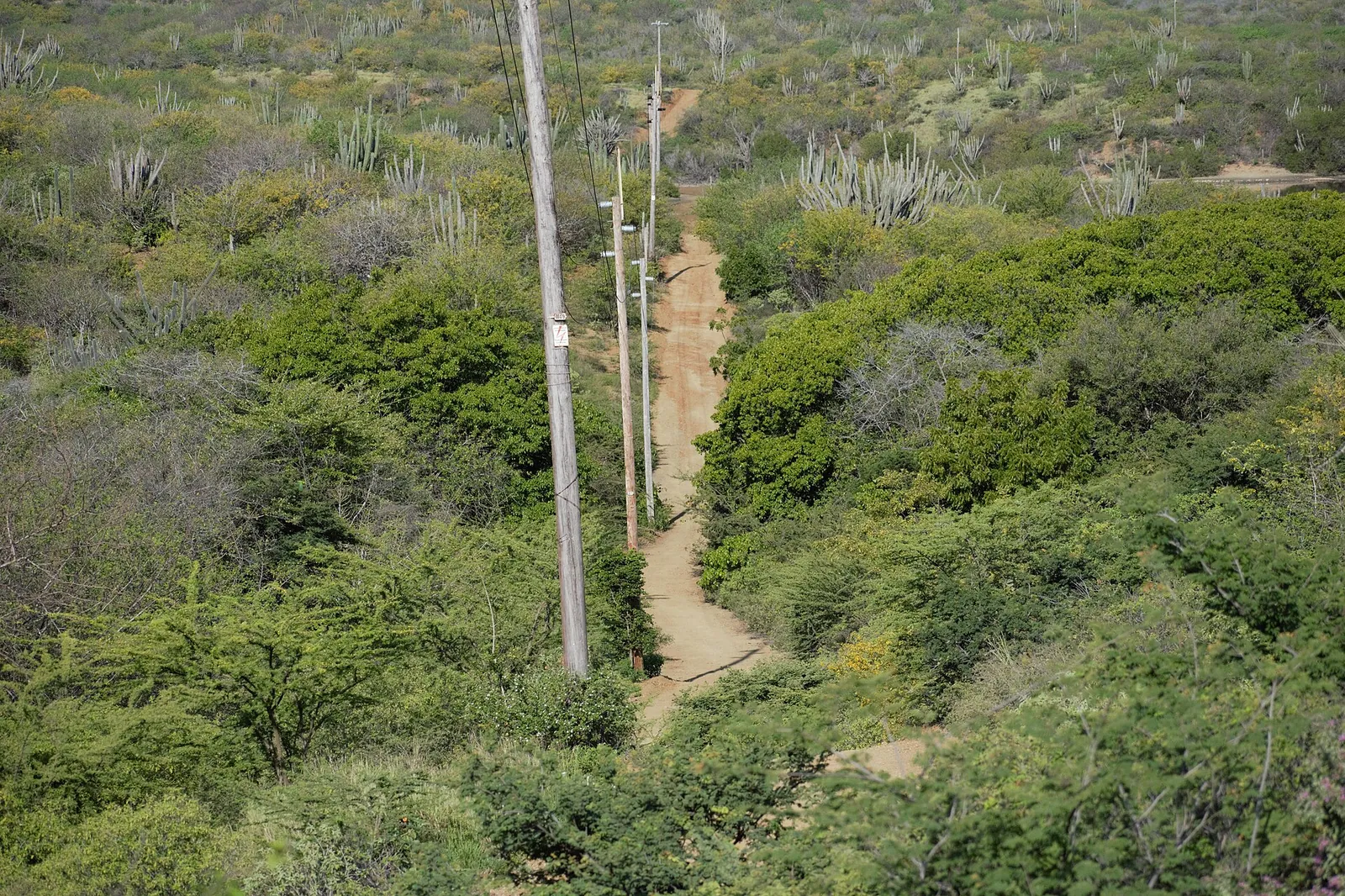
Discover easy nature spots in Curaçao beyond Christoffel and Shete Boka: salt pans, short coastal trails, cactus views, plus nearby food and swimming.
Easy nature outside the big parks
Curaçao isn’t only Christoffel and Shete Boka. There are plenty of short, low-stress walks where you still get birds, cacti, sea views and that “island wild” feeling—without committing to a long hike.
Below are accessible spots spread across the island, with ideas for pairing each with a swim or a simple meal so you can build relaxed half- and full-day plans.
Jan Thiel Salt Pans & Lagoon
Best for: casual walkers, birdwatching, sunset strolls
This is one of the easiest places to get a taste of Curaçao’s dry forest and salt flats. A web of informal trails loops around the salt pans and along the mangroves of the lagoon.
What you’ll see
- Flamingos are common here, along with herons and other wading birds.
- Cactus scrub, low hills and views over the Jan Thiel area.
- Quiet corners away from the busier beach scene nearby.
Trail difficulty
- Terrain: Mostly flat dirt and gravel, some loose stones and roots.
- Difficulty: Easy. Suitable for reasonably fit kids and adults.
- Footwear: Closed shoes or sturdy sandals; flip-flops are uncomfortable on the stones.
- Shade: Very limited—expect sun almost the whole way.
When to go
- Early morning or late afternoon for cooler temperatures and more bird activity.
- Around sunset, the light over the salt pans is beautiful, but bring a small light for the way back.
Pair it with
- Swimming: Jan Thiel Beach is close, with calm water for an easy swim or snorkel.
- Food: The beach area has multiple beachfront restaurants and casual spots; you’ll find everything from simple snacks to sit-down meals. Check what’s open on your day.
Sint Michiel (Boca Sami) Salt Pans
Best for: families, birdwatching, easy coastal feel
The peaceful salt pans behind the fishing village of Sint Michiel (Boca Sami) offer a simple, flat walk with flamingos on good days and a local vibe.
What you’ll see
- A shallow lagoon where flamingos feed, especially in quieter hours.
- Trails through low scrub and mangroves, with views back to the village.
- Local fishing boats and a small church near the water if you wander toward the bay.
Trail difficulty
- Terrain: Flat dirt and sand; usually firm but can be muddy after heavy rain.
- Difficulty: Very easy; more of a nature walk than a “hike.”
- Shade: Almost none; wear a hat and sunscreen.
When to go
- Early morning is best—cooler and usually fewer people.
- Birds are more active in the quieter early hours.
Pair it with
- Swimming: Boca Sami’s small beach has easy access to the sea and decent snorkeling along the rocky edges.
- Food: The village has a couple of low-key spots that often serve fresh fish; hours vary, so don’t count on a specific place without checking the same day.
Rif Sint Marie & Coral Estate Coastline
Best for: gentle coastal walks, snorkeling, sunset views
On the western side of the island, the Rif Sint Marie area offers a mix of short coastal trails, cactus-dotted hills, and a resort beach for a post-walk swim.
What you’ll see
- Rugged shoreline with limestone terraces and small blowholes when the sea is rough.
- Cactus and divi-divi trees, plus wide ocean views.
- Clear water and a long reef right off the beach for snorkeling.
Trail difficulty
- Terrain: Rocky limestone paths, uneven but not steep.
- Difficulty: Easy to moderate depending how far you go; watch your footing.
- Footwear: Sneakers or hiking sandals are strongly recommended.
- Shade: Scattered; you’ll be in full sun for stretches.
When to go
- Mornings for walking; afternoons can be very hot and the limestone reflects heat.
- Late afternoon if you plan a short walk and sunset drink after.
Pair it with
- Swimming: The main beach in the area has an easy entry and is popular for snorkeling and relaxed swimming.
- Food: There are on-site restaurants and bars; menus and opening times change, so check in advance or be flexible.
Den Dunki Park & Surroundings
Best for: shade, short strolls, historic feel
Close to Willemstad but surprisingly calm, Den Dunki Park combines old waterworks, big trees and short paths through semi-forest—rare shade on a very sunny island.
What you’ll see
- Old stone structures and aqueduct remnants from Curaçao’s earlier water system.
- Mature trees, occasional iguanas and birds, and small garden-like sections.
- Nearby lagoon views if you walk out toward the water.
Trail difficulty
- Terrain: Mostly flat paths, some uneven stones but not technical.
- Difficulty: Very easy; suitable for young kids and people who aren’t used to hiking.
- Shade: Much shadier than most nature spots on the island.
When to go
- Any time of day is possible here because of the shade; late morning and mid-afternoon are often pleasant.
- Weekends can be a bit busier with local families.
Pair it with
- Swimming: The Seaquarium / Mambo Beach area is a short drive away and offers several beaches with calm water.
- Food: Both the nearby residential areas and the beach boulevard have plenty of places for lunch or an early dinner, from simple to more polished.
Koraal Tabak & Eastern Cactus Trails
Best for: light “real hike” feel, wide views, photography
On the quieter eastern side of the island, around the Koraal Tabak area, you’ll find dirt roads and small trails that feel wilder than the resort zones, but are still manageable for casual walkers.
What you’ll see
- Long ridges of columnar cacti, divi-divi trees twisted by the trade winds.
- Views toward the rough north coast and, in places, down to the calmer south shore.
- Occasional goats and a strong sense of open space.
Trail difficulty
- Terrain: Dirt tracks with stones, some gentle up-and-down.
- Difficulty: Easy to moderate. It’s more about distance and heat than steepness.
- Footwear: Closed shoes definitely; cactus spines and sharp rock are common.
- Shade: Very little. This is pure sun-country.
When to go
- Start just after sunrise if you want to do a longer loop.
- Avoid the middle of the day; there’s nowhere to hide from the sun if you get tired.
Pair it with
- Swimming: You can combine this area with a stop at one of the quieter southeastern beaches afterward for a cooling swim.
- Food: Nearby residential areas and beach zones have a handful of snack spots and beach bars; don’t rely on finding something deep in the countryside—bring water and a snack with you.
Playa Santa Cruz & Short Nature Paths
Best for: swim + stroll combo, families, relaxed day out
Playa Santa Cruz on the western side is a broad sandy bay with calm water, and you can add short walks along the edges and into the low hills for easy “adventure” without much effort.
What you’ll see
- A wide bay with fishing boats and calm water most days.
- Short informal paths leading up to low viewpoints over the bay and along the rocky coast.
- Classic west-side scenery: cacti, limestone cliffs, sea breezes.
Trail difficulty
- Terrain: Sandy beach plus rocky paths, minor scrambles in places if you wander further.
- Difficulty: Easy, as long as you don’t push too far along the cliffs.
- Footwear: Beach sandals are fine for the sand; bring sturdier shoes if you want to explore trails.
- Shade: Under trees and palapas at the beach; little shade once you leave the sand.
When to go
- Any time for the beach itself, but do walks in the earlier or later parts of the day.
- Late afternoon often brings a gentle breeze and softer light.
Pair it with
- Swimming: Perfect for swimming and casual snorkeling right off the beach.
- Food: There is usually at least one simple food option at or near the beach, but offerings change; you may want to pack some snacks just in case.
Bullenbaai & Kokomo Area Viewpoints
Best for: short photo stops, quick nature bite near town
West of Willemstad, the Bullenbaai area and the surroundings of Kokomo Beach give you a rugged coastline, low cliffs, and cactus scrub that’s easy to explore for 20–40 minutes.
What you’ll see
- Turquoise water below low limestone cliffs.
- Short paths through thorny scrub dotted with cacti.
- Occasional viewpoints where you can see tankers waiting offshore and the curve of the bay.
Trail difficulty
- Terrain: Rough limestone, some crumbling edges—mind children here.
- Difficulty: Easy but requires attention to footing near cliff edges.
- Footwear: Closed shoes or solid sandals.
- Shade: Almost none on the paths; shaded areas back at the beach.
When to go
- Early or late for walking; the rock heats up quickly.
- Combine with a beach visit during the middle of the day.
Pair it with
- Swimming: Kokomo Beach and nearby bays offer easy access for a swim or snorkel.
- Food: The beach has a bar/restaurant; menus, opening times and crowds vary with the day and season.
Good to know
- Heat and sun: Curaçao’s sun is strong year-round. Even “easy” walks can feel hard at midday. Plan hikes for early morning or late afternoon, use reef-safe sunscreen, wear a wide-brim hat and light, breathable clothing.
- Water: Bring more than you think you need—at least a full bottle per person for even a short walk. Many areas have no shops nearby.
- Footwear: Surfaces are rocky, spiky and unforgiving. Closed shoes or sturdy sandals make a big difference and help avoid cactus spines and twisted ankles.
- Navigation: Most of these spots don’t have detailed on-site maps. Download an offline map app before you go, or take screenshots while you have Wi‑Fi.
- Wildlife: You may see iguanas, lizards, goats and plenty of birds. Leave them alone, and never feed wildlife.
- Respect flamingos: Keep a good distance and stay quiet; sudden movement or loud noise can scare them off.
- Safety: Avoid walking remote trails alone late in the day and aim to finish before dark. Keep valuables out of sight in your car and don’t leave bags visible at trailheads.
FAQ
Do I need a guide for these easy nature walks?
For the spots above, most visitors are fine on their own with basic map apps and common sense. If you’re not confident navigating or you want deeper local insight into nature and history, a guide can add a lot, but it’s not essential.
Are these trails suitable for kids?
Yes, several areas (Jan Thiel, Sint Michiel, Den Dunki, Santa Cruz) work well for reasonably active children. The main issues are heat, sun and rough ground, so choose cooler times of day, keep walks short and bring plenty of water.
Can I see flamingos all year in Curaçao?
Flamingos are present year-round, but how many you see depends on water levels, wind and how disturbed the area is that day. Jan Thiel and Sint Michiel salt pans are among the easier places to try, but there are no guarantees.
What should I pack for a day of walks and swimming?
Bring a swimsuit, quick-dry towel, light clothing, sturdy footwear, reef-safe sunscreen, hat, sunglasses, and more water than you expect to drink. A small dry bag is handy for keeping keys and phone safe at the beach.
Is there public transport to these nature spots?
Some areas near Willemstad are reachable by bus plus a bit of walking, but service can be infrequent and routes change. For flexibility, especially to reach western or eastern trails and multiple stops in a day, renting a car is usually the most practical option.
Prices and opening times change. Always check current details before you go.
The weekly Curaçao letter
One short email a week: what's on, a useful guide and an insider tip. Free, unsubscribe anytime.
🎁 Free when you subscribe: the First-timer's Curaçao Checklist (PDF).
Things to do
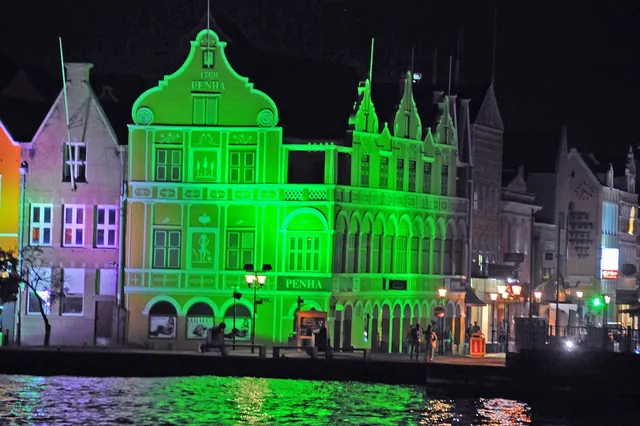
Nightlife in Curaçao: Bars, Beach Clubs & Going Out
Discover Curaçao’s nightlife: lively bar areas, beach clubs, music spots and what a typical night out looks like, plus local tips for a smooth evening.
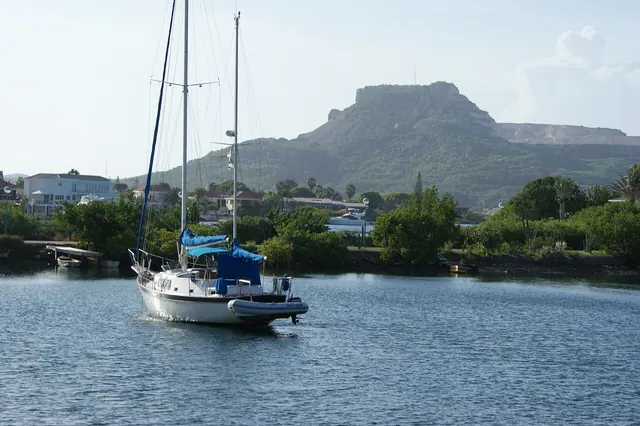
Boat tours & sailing trips in Curaçao: a practical guide
Honest local-style guide to Curaçao boat tours: Klein Curaçao trips, sunset sails, snorkel cruises, party boats, what’s included, and how to choose.
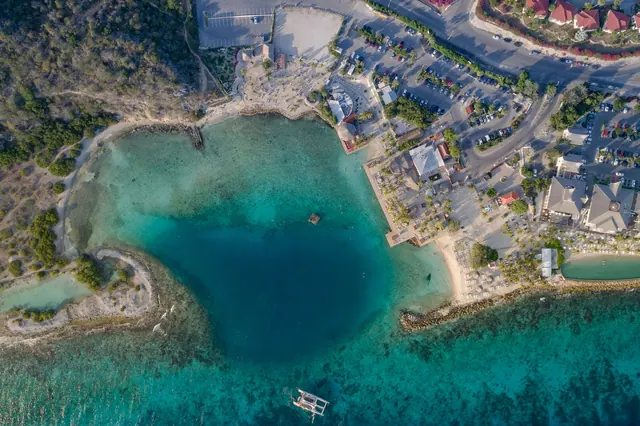
Exploring East Curaçao: Jan Thiel, Spanish Water & Caracasbaai
Discover Jan Thiel, Spanish Water and Caracasbaai on Curaçao’s east side: beaches, views, sailing, hiking and what each area is really like.