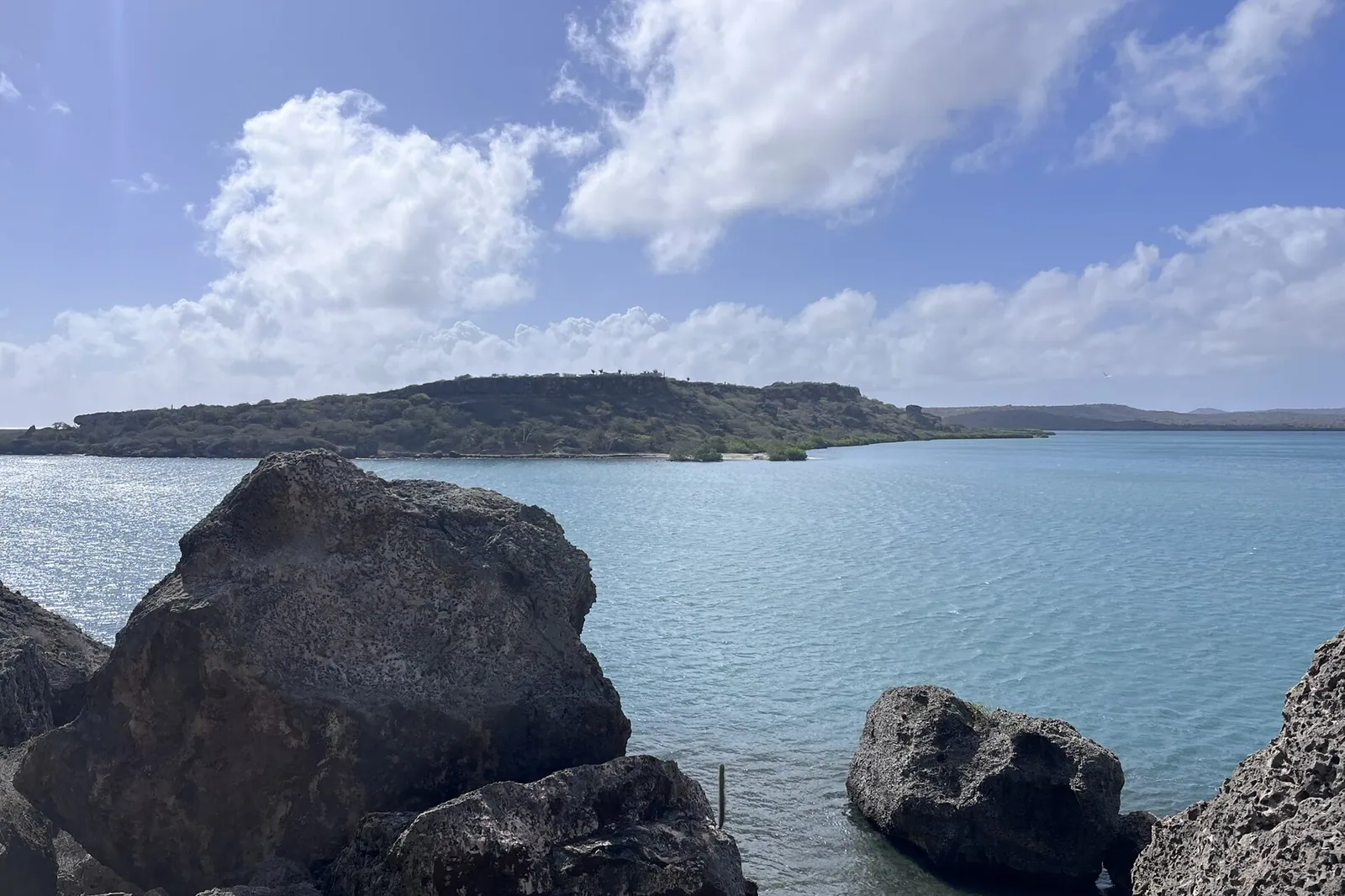
A practical Curaçao guide to kayaking, SUP, mountain biking, easy hikes and safe cliff-jumping spots, with realistic tips for average visitors.
In this guide
- Active things to do in Curaçao (beyond the beach)
- Kayaking: lagoons, mangroves and mild adventure
- Stand-up paddleboarding (SUP)
- Mountain biking: rocky singletrack and coastal views
- Light hiking: short trails with big payoffs
- Cliff jumping: fun, but treat it with respect
- How wind, waves and sun affect all activities
- Good to know
- FAQ
Active things to do in Curaçao (beyond the beach)
Curaçao is known for beaches and diving, but you do not have to be a hardcore athlete to stay active here. Most outdoor activities can be tailored to “reasonably fit but on vacation” levels—as long as you respect the wind, sun and sea conditions.
Below is a realistic look at kayaking, stand-up paddleboarding, mountain biking, light hiking and cliff jumping, and how to match them to your energy, experience, and the day’s weather.
Kayaking: lagoons, mangroves and mild adventure
Kayaking in Curaçao is less about whitewater thrills and more about exploring calm coves, mangroves and the coastline. For someone in average shape, 2–3 hours on the water is generally comfortable if you pace yourself and hydrate.
Where and how conditions matter
-
Sheltered bays & mangroves
Inlets and mangrove areas on the south side of the island usually have the flattest water. Trade winds mostly blow from the east, so tucked-away spots facing south or west stay calmer.
These are best if:- You have limited upper-body strength.
- You want to bring kids or someone nervous about the sea.
- You prefer wildlife (birds, fish, mangrove roots) over wave action.
-
Open coastline & sea caves
Some guided trips follow the rockier coast or visit small sea caves. Here, wind and swell become more important:- On calm days, you get gentle rolling swells and a more “adventurous” feel without being extreme.
- On windy days, paddling back into the wind can be noticeably harder—fine if you exercise regularly, tiring if you do not.
Ask guides how “bouncy” the sea is expected to be that day and whether the route is suitable for beginners.
Sit-on-top vs sit-in kayaks
Most rental and tour outfits use stable sit-on-top kayaks:
- They are easy to get on and off, good for warm water, and forgiving for beginners.
- Tandem kayaks help if one person is fitter than the other—you can share the workload.
If you have lower-back issues, request a kayak with good back support and plan on shorter routes.
Stand-up paddleboarding (SUP)
SUP in Curaçao is ideal for visitors with decent balance who are okay with using their core and legs for 1–2 hours. You do not need surfing skills, but you should be comfortable falling into the water and climbing back on the board.
Best settings for average paddlers
-
Flat-water bays and channels
Calm bays and man-made channels near resorts or marinas are perfect first-timer territory. Often you can:- Start kneeling, then stand when you feel steady.
- Stay near shore where boat traffic is slower.
- Turn back whenever you are tired.
-
Short coastal paddles
On light-wind mornings, some rentals allow you to paddle along sections of the coast.- Morning usually has the least wind; afternoons are windier and choppier.
- Constant wind from the east can quickly push you down-current; always start paddling into the wind so returning is easier.
Sun, balance and fatigue
Standing on a paddleboard means full sun exposure with almost no shade. To keep it fun rather than draining:
- Wear a long-sleeve UV shirt, hat with a leash, and good sunscreen.
- Plan 60–90 minutes, not a three-hour epic, unless you paddle regularly at home.
- If your ankles or knees get tired, drop to your knees and paddle back that way—much more stable.
Mountain biking: rocky singletrack and coastal views
Curaçao’s riding is mostly dry, rocky cross-country riding, not big mountain descents. It suits riders with basic off-road experience who do some exercise at home, but there are also easier dirt-road style routes for casual cyclists.
Typical terrain and what to expect
-
Loose rock and cactus scrub
Many trails are:- Narrow, with rocks, roots and cactus edging the path.
- Short ups and downs rather than long climbs.
- Exposed, with very little shade.
You do not need to be a racer, but you should be comfortable riding on uneven surfaces and using your gears. If you only ever ride flat city streets, choose a guided easy route first.
-
Marked trail systems
There are a few known riding areas with loops of different difficulty (easy dirt tracks to more technical singletrack). Guides usually:- Adjust the loop to the group’s level.
- Stop often to rest and explain tricky sections.
- Keep rides in the 1.5–3 hour range, including breaks.
Heat, hydration and timing
The sun is the real challenge, not the distance:
- Morning rides (often starting near sunrise) are strongly recommended—temps and sun intensity climb fast.
- Carry plenty of water; a hydration pack or at least several bottles is important.
- Lightweight, light-colored clothing and fingerless gloves help with both comfort and grip.
If you are not used to exercising in hot, humid conditions, be honest with your guide about your normal activity level so they can pick an appropriate route.
Light hiking: short trails with big payoffs
Curaçao is not a hardcore hiking destination, and that is good news if you want modest effort with good views. Many trails are short but can be rocky, with loose stones and thorny vegetation.
Accessible coastal and nature walks
Look for:
-
Coastal paths
Short trails along the limestone cliffs and rocky shorelines offer:- Sea views, blowholes and tidal pools.
- Little elevation gain but uneven surfaces.
- Almost no shade.
-
Inland nature areas
Some inland spots have loops through dry forest, cactus fields and historical sites (like old plantation land). These usually:- Have gentle hills rather than steep climbs.
- Combine nature with cultural stops (old structures, viewpoints).
With average fitness, plan 1–2 hours of slow walking with photo breaks. The main risk is underestimating the sun and walking in flimsy sandals.
Mount Christoffel: the “big” hike
Curaçao’s highest point, the peak in Christoffel National Park, is the island’s go-to challenging-but-doable hike:
- The trail is short in distance but steep and rocky, with some scrambling near the top.
- It is suitable for people with average to good fitness who are stable on uneven terrain.
- Guides and rangers strongly advise starting early in the morning to avoid the worst heat and because entry to the trail is usually not allowed later in the day; exact rules can change, so check the current policy before you go.
If you have knee issues, a fear of heights, or poor balance, this hike may be more stressful than fun.
Cliff jumping: fun, but treat it with respect
Curaçao has a reputation for cliff jumping, from small “tester” drops to higher ledges. It can be a great rush for average visitors who swim confidently—but it is not something to improvise.
General safety principles
-
Never jump without local knowledge
Rocks, coral heads and shallow patches may be invisible from above. Only jump:- Where locals or experienced guides specifically say it is safe.
- From spots you have seen other people use that day, in similar conditions.
-
Check your landing zone
Swim the area first: -
Look for submerged rocks, reef, or strong surge.
- Feel for depth: you want several meters of clear water below you.
-
Know your limit
A lot of people are very happy with 2–4 meter jumps. Anything higher needs: -
Strong, stable takeoff.
- Good form (straight body, feet first, arms tight).
- Confidence in the water if you surface near rocks or swell.
Conditions to watch
-
Wave and swell
Even on calm-looking days, sets of larger waves can:- Push you toward the rocks while you climb out.
- Make a previously safe depth temporarily shallower.
- Slippery rocks
Wet limestone is slick, especially with algae. Good water shoes or sandals with grip reduce your chances of slipping at the edge or on the exit ladder.
If in doubt, do not jump. Watching others and swimming instead is completely fine.
How wind, waves and sun affect all activities
Curaçao’s trade winds and intense sun shape every outdoor activity. Understanding them makes your day safer and a lot more pleasant.
Wind (usually from the east)
- Helps:
- Cools you down while biking or hiking.
- Makes sitting on the beach more comfortable.
- Hurts:
- Makes paddling and SUP much harder when you go against it.
- Creates choppy water and stronger surface currents along exposed coasts.
- Can blow hats and gear away—use leashes or straps when on the water.
Plan water activities on the more sheltered south side when winds are strong, and always start your route heading into the wind.
Waves and swell
Sea state can change day to day:
- Calm days:
- Best for first-time kayakers, SUP, and cautious cliff jumpers.
- Windy or swellier days:
- More bouncing in kayaks and on SUP boards.
- Harder exits at rocky jump spots.
- Snorkeling visibility may drop.
Ask locals, tour guides or lifeguards how conditions look before you commit.
Sun and heat
The combo of UV and humidity is often what floors visitors:
- Aim for early morning or late-afternoon starts for biking and hiking.
- Use high SPF sunscreen and reapply after being in the water or sweating.
- Light, breathable clothing, a brimmed hat and sunglasses are not optional extras; they are basic gear here.
- Drink more water than you think you need, especially if you are not used to tropical climates.
Good to know
- Guided vs independent: For kayaking, SUP, mountain biking and cliff jumping, first-timers or casual visitors are usually better off on a guided outing. Guides know current conditions and safer routes.
- Gear quality: If renting, take a quick look at the condition of bikes (brakes, gears), paddles, life jackets and helmets. If something feels off, ask for a different item.
- Footwear: Closed-toe shoes or sturdy sandals with grip are highly recommended for rocky coastal walks, cliff areas and bike rides. Flip-flops are for the beach, not the trails.
- Water and snacks: Tap water is safe to drink. Fill bottles before you go, especially for hikes and bike rides where there may be no shops nearby.
- Language: Guides commonly speak English in addition to Papiamentu and Dutch, and many also speak Spanish, so communication is usually straightforward.
FAQ
Is it safe to kayak and paddleboard in Curaçao if I’m a beginner?
Yes, if you stick to sheltered bays and go with a reputable rental or guided tour that works with your comfort level. Always wear a life jacket, listen to the safety briefing, and avoid open coastline on very windy or choppy days.
Do I need to be very fit to go mountain biking in Curaçao?
You do not need to be an athlete, but you should be comfortable riding a bike and doing light to moderate exercise. Routes can be adapted to your fitness; mention your usual activity level honestly when booking so you are not placed on a too-ambitious ride.
Can kids join cliff jumping or kayaking trips?
It depends on the child, the specific spot, and the tour operator’s age policies, which can change. Many family-friendly kayak routes in calm bays are fine for older children, but cliff jumping should be approached cautiously and only where guides say it is appropriate and safe.
What time of day is best for hiking in Curaçao?
Early morning is best, especially for more exposed or uphill trails. Heat and sun become intense by late morning, and some national park hikes have early cut-off times for starting, so always check the latest information before you go.
Do I need to book tours in advance?
In busy seasons and for popular activities like guided mountain biking or national park hikes, it is wise to book at least a few days ahead. Outside peak times you may find last-minute spots, but availability, group sizes and schedules can change, so checking ahead is recommended.
Prices and opening times change. Always check current details before you go.
The weekly Curaçao letter
One short email a week: our newest guides and an insider tip for your trip. Free, unsubscribe anytime.
🎁 Free when you subscribe: the First-timer's Curaçao Checklist (PDF).
Things to do
History, culture & art in Curaçao
A local-style guide to Curaçao’s museums, plantations, street art and cultural spots, with honest tips and easy half- and full-day combos.
Easy Nature Walks in Curaçao
Discover easy nature spots in Curaçao beyond Christoffel and Shete Boka: salt pans, short coastal trails, cactus views, plus nearby food and swimming.
Nightlife in Curaçao: Bars, Beach Clubs & Going Out
Discover Curaçao’s nightlife: lively bar areas, beach clubs, music spots and what a typical night out looks like, plus local tips for a smooth evening.