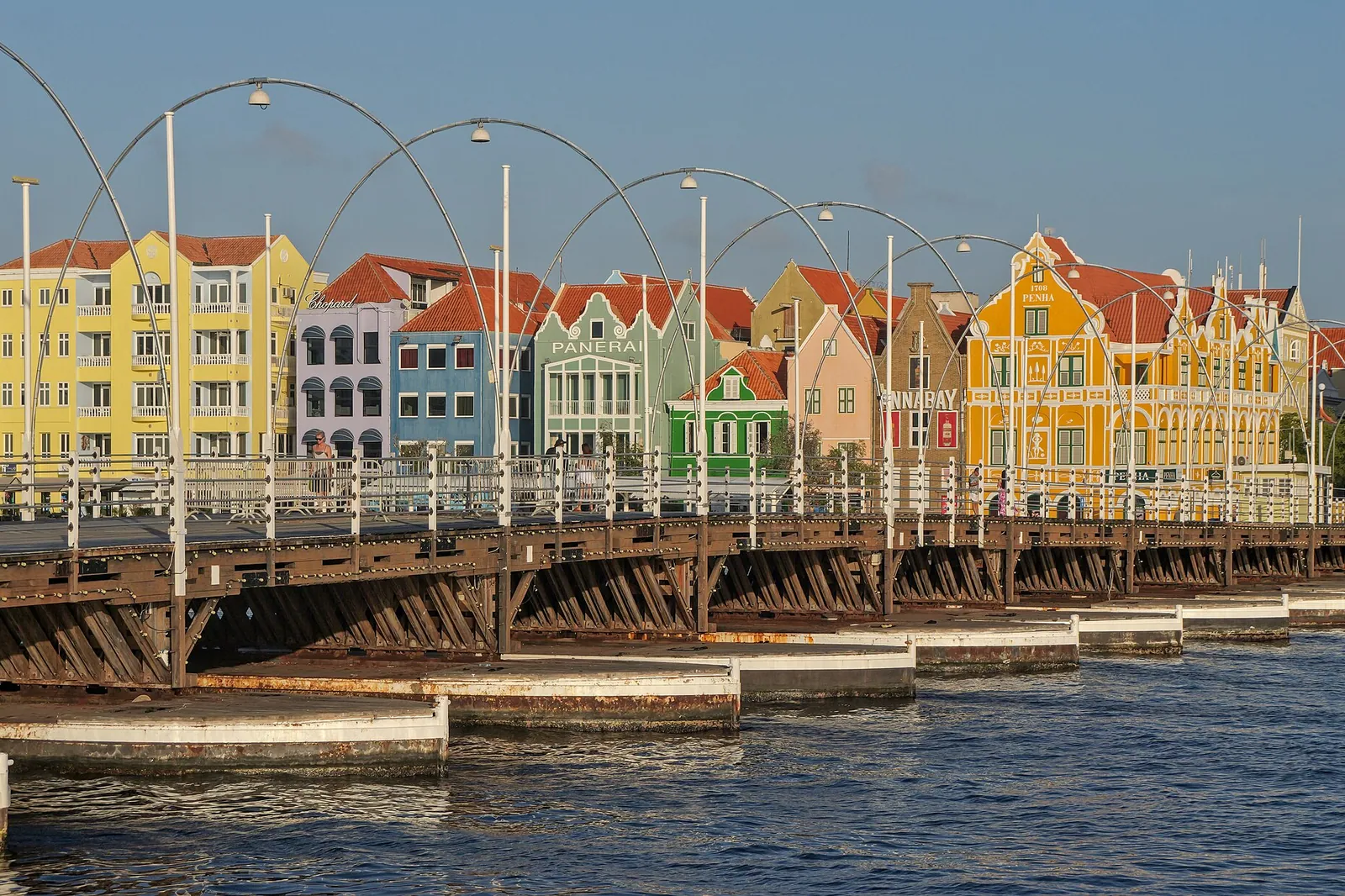
The most common Curaçao planning mistakes, from driving times to picking the wrong area. Concrete fixes and checklists for a smoother trip.
In this guide
- Planning a Curaçao Trip: Common Mistakes & Easy Fixes
- Mistake 1: Underestimating Driving Times
- Mistake 2: Booking the “Wrong” Area for Your Style
- Mistake 3: Overstuffing the Itinerary
- Mistake 4: Ignoring Sun, Heat & Trade Winds
- Mistake 5: Not Matching Activities to the Wind & Weather
- Mistake 6: Skipping the Car Conversation
- Good to know
- FAQ
Planning a Curaçao Trip: Common Mistakes & Easy Fixes
Curaçao is small on the map but big in personality, and that’s where many visitors get tripped up. People often assume “tiny island = everything is 15 minutes away” or “a beach is a beach, any area will do.” Then they arrive and realize drives are longer than expected, the vibe of their area doesn’t match their style, or they’re wiped out by sun and wind.
Below are the most common planning errors, how to fix them, and simple questions to ask before you book.
Mistake 1: Underestimating Driving Times
On paper Curaçao looks compact. In reality:
- Roads are mostly two-lane and can be slow.
- There are speed bumps, curves, and occasional potholes.
- You’ll stop for directions, photo spots, iguanas in the road, and random goats.
A “short” distance can easily take 40–60 minutes, especially if you’re crossing the island.
How this mistake shows up
- Staying far west and planning to dine in Willemstad most evenings.
- Booking a city stay but wanting to snorkel at different western beaches daily.
- Trying to “just pop over” to Shete Boka or Christoffel after a beach morning, and arriving tired and rushed.
How to fix it
-
Decide your priority zone first.
- If you’re mostly about beaches and nature: lean west.
- If you love dining, bars, and city atmosphere: lean central/Willemstad area.
- If you want a bit of both: choose somewhere central-west, not extreme ends.
-
Plan days by cluster, not by theme.
Example: instead of “best beaches in one day,” do “western beaches day,” “central beaches day,” etc. -
Add 15–20 minutes to any time estimate you see online.
This builds in time for slow traffic, wrong turns, and scenic detours.
Checklist before you book
Ask yourself:
- How often will I realistically go into town for dinner or nightlife?
- How many days do I want long, quiet beaches vs. short drives and variety?
- Are I (and my travel group) relaxed about 40–60 minute drives on vacation?
Mistake 2: Booking the “Wrong” Area for Your Style
Curaçao’s areas feel very different from each other. No area is objectively bad; it’s just about whether it fits your style and expectations.
Willemstad & nearby
Best for: Foodies, nightlife, culture, short stays
Stay in/near the city if you:
- Want cafés, waterfront bars, and restaurants within short driving distance (or walking, depending on where you stay).
- Care about colorful streets, murals, museums, and historic buildings.
- Prefer shorter transfers from the airport and don’t mind driving out to beaches.
It’s less ideal if you dream of walking from your room to a long, quiet natural beach every morning.
Central/southwest resort areas
Best for: First-timers, easy beach access, mixed groups
These areas often have:
- Mid- to large-sized resorts, sometimes with their own little beach.
- Easy road connections both to Willemstad and to more natural beaches westward.
- A “middle ground” feel: not complete seclusion, not full-on city.
They’re great if your group wants a bit of everything and you don’t want to commit to either extreme end of the island.
Westpunt & far west
Best for: Divers, snorkelers, quiet beaches, sunsets
Choose the far west if you:
- Are happy with a smaller choice of restaurants and bars nearby.
- Plan to spend most days snorkeling, diving, or beach-hopping in the west.
- Don’t mind driving to Willemstad only occasionally, not nightly.
This area can feel too quiet if you love nightlife or spontaneous evening walks in a busy area.
Checklist before you book an area
Ask yourself and your travel partners:
- Do we care more about variety of restaurants, or about quiet and space?
- How many nights do we expect to go out late?
- What’s our “perfect day” here? City and cocktails, or beach and early night?
- Will we have a rental car the whole time?
Mistake 3: Overstuffing the Itinerary
Many visitors land with a packed “must do” list: 10 beaches, 3 snorkel spots, a national park hike, underwater park, boat trip, floating market photos, plus long dinners and sunsets, all in a few days.
The reality: the sun, salt water, and driving combine to slow you down.
Signs your plan is overstuffed
- You’re trying to fit more than 2 main activities in a day (e.g., hike + multiple beaches + city sightseeing).
- You have “sunrise hike” followed by a full beach day and an evening out, several days in a row.
- Every day involves crossing the island back and forth.
How to fix it
-
Think “1 main thing + optional extra.”
For most days, plan:- 1 anchor activity (hike, boat trip, far beach run, city day).
- 1 optional lighter add-on (short swim, quick sunset spot, or casual drink).
-
Alternate heavy and light days.
Follow a long hike or boat day with something low-key: lazy beach, snorkeling close to where you’re staying, or just wandering Willemstad. -
Group by region.
Examples:- West day: 2–3 beaches on the same side and maybe a short stop somewhere scenic.
- Town day: walking districts, bridges, photos, snacks, sundowners.
-
Leave one “free” day.
No pre-booked tour, no fixed plan. Use it for a place you loved and want to repeat, or to recover if someone gets sunburned or tired.
Checklist to test your itinerary
Look at each day and ask:
- Is there clearly one “main” thing today?
- Does any day involve more than 2 hours of total driving?
- Do we have at least one flexible day with no serious commitments?
If you say “yes” to all three, trim something.
Mistake 4: Ignoring Sun, Heat & Trade Winds
The trade winds are a blessing and a trap. You’ll feel cooler than you actually are, and that’s when people get burned, dehydrated, and wiped out.
What catches visitors out
- Assuming clouds or wind mean “low UV.”
- Doing a mid-day hike with little shade and not enough water.
- Staying on the beach all day without reapplying sunscreen or seeking shade.
Smart strategies
-
Do strenuous activities early.
Aim to finish hikes or other exertion by late morning. Afternoons are better for shaded cafés, snorkeling (you’re mostly in the water), or relaxed beach time. -
Respect the UV, even when it’s windy.
Use high-SPF sunscreen, reapply often (especially after swimming), and don’t rely on a base tan. -
Use shade on purpose.
Mix shade and sun: read under a palapa, then swim, then back under shade. You’ll last longer over your entire trip. -
Hydrate more than you think you need.
Bring water in the car for every outing, not just “active” days.
Checklist to stay comfortable
Before leaving your accommodation, ask:
- Do we have enough water per person, not just one shared bottle?
- Are we planning any long walks or hikes in the middle of the day?
- Does everyone have a hat, sunglasses, and some way to get shade?
If the answers aren’t solid, adjust the plan or timing.
Mistake 5: Not Matching Activities to the Wind & Weather
Those same trade winds affect the sea. Some coasts are usually rougher; others are more sheltered. Conditions also vary over the year.
Common consequences
- Booking a boat trip or open-water activity without thinking about how wind and waves affect comfort.
- Heading to a windier, rougher side of the island for a casual swim with small kids or weak swimmers.
- Getting frustrated that snorkeling is cloudy or choppy on a particular day rather than being flexible.
How to plan better
-
Ask locals or your accommodation what’s realistic that week.
Staff are usually honest about which beaches or days are calmer. -
Have “backup” beaches.
If your first-choice spot is too rough or crowded, switch to a more sheltered option rather than forcing it. -
Be flexible with ocean activities.
If you’re prone to seasickness, ask tour operators which times or routes tend to be smoother and come prepared with medication if you use it.
Checklist for sea-based days
Ask:
- How experienced are the weakest swimmers in our group?
- Do we have an alternative plan nearby if sea conditions aren’t ideal?
- Are we okay with potentially changing our beach or activity last-minute?
Mistake 6: Skipping the Car Conversation
A car gives you freedom in Curaçao, but not everyone needs or wants one for the entire stay. The error is deciding only after you’ve already booked a remote stay or built an ambitious itinerary.
Think this through early
-
Full-time car makes sense if:
- You want to explore multiple beaches and viewpoints.
- You’re staying outside the city or in the west.
- You dislike relying on taxis or waiting around.
-
Partial or no car can work if:
- You’ll stay mostly in a walkable city area.
- You only plan 1–2 major excursions and can book tours with pickup.
- You’re happy to take occasional taxis for dinners out.
If your dream trip is “freedom to hop around,” a car is usually worth the logistics.
Checklist before locking in transport
Ask:
- How many days do we genuinely plan to explore vs. stay put?
- Is our accommodation walkable to anything (food, small shop, beach)?
- Are we comfortable driving in an unfamiliar place, possibly at night?
Good to know
- Distances are short; travel time is not. Road conditions and stops make drives feel longer than the kilometers suggest. Always allow extra time, especially if you have a tour or reservation.
- Booking details change. Availability, conditions, and policies for accommodations, tours, and activities change often. Always check current info directly with providers before booking.
- Cash vs. cards. Many places accept cards, but not all. Ask your accommodation what’s typical in their area and carry some backup cash, especially when heading west.
- Weekends and holidays. Popular beaches and some attractions can be busier with local families on weekends and holidays. If you prefer quiet, aim for early or choose a less famous spot on those days.
FAQ
How many days do you really need in Curaçao?
For a relaxed taste of beaches and Willemstad, many visitors find 4–5 full days workable. A week or more lets you slow down, revisit favorite spots, and include a couple of “do nothing” days without feeling you’re missing out.
Do you need a car in Curaçao?
You can manage without a car if you stay in or very near Willemstad and mostly join organized tours or use taxis. If you want to beach-hop, explore the west, or stay in quieter areas, a rental car usually makes the trip smoother.
Is it safe to drive around the island?
Most visitors find driving manageable: traffic is generally calm and speeds are moderate. You do need to watch for speed bumps, animals, and unlit areas at night. Take it slow, use navigation, and avoid driving tired or after drinking.
Can you stay in one place and see the whole island?
You can, but you’ll trade time in the car for that convenience. Many people pick a central base and accept some longer drives. Others split their stay between city/central and west to cut down on daily driving.
What’s the best month to visit Curaçao?
Curaçao is a year-round destination with relatively stable temperatures. Some months are breezier or slightly wetter than others, and travel patterns change with holidays and school breaks. Check typical weather and any local events for your dates, then plan with sun, wind, and flexibility in mind.
Prices and opening times change. Always check current details before you go.
The weekly Curaçao letter
One short email a week: what's on, a useful guide and an insider tip. Free, unsubscribe anytime.
🎁 Free when you subscribe: the First-timer's Curaçao Checklist (PDF).
Plan your trip
How Many Days in Curaçao Is Enough?
Not sure how long to stay in Curaçao? Compare 3, 5, 7 and 10+ day trips based on beaches, diving, food, and slow travel, plus car and base tips.

Useful Papiamentu phrases visitors really use
Handy Papiamentu phrases for Curaçao, with simple pronunciation and when to use them. Speak a bit like a local and connect beyond “bon bini”.
Working Remotely from Curaçao: A Practical Guide
How to work remotely from Curaçao: internet, SIM cards, work‑friendly spots, neighborhoods, long stays and everyday logistics for digital nomads.