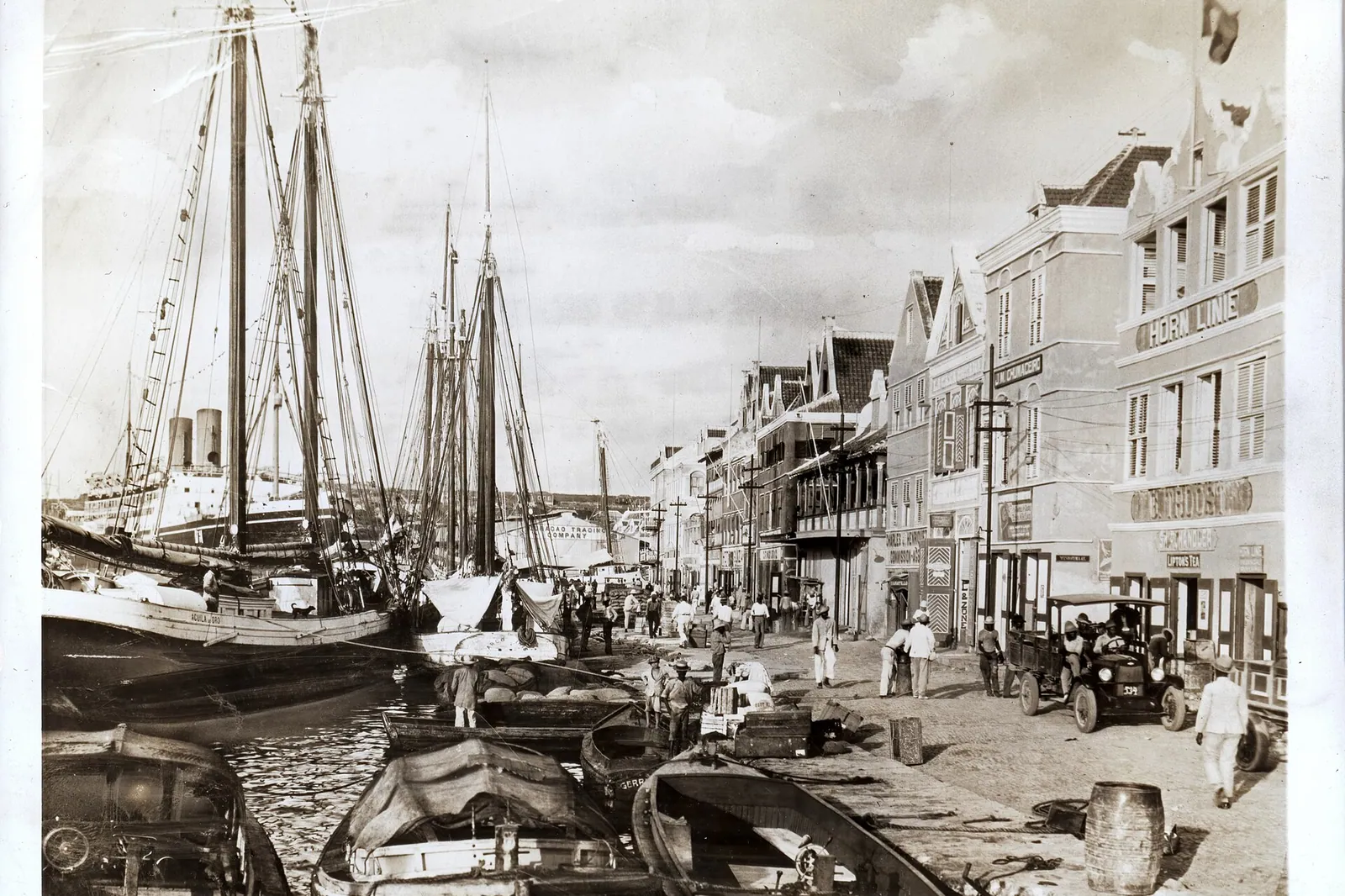
How to get around Curaçao without driving: taxis, buses, shuttles, tours and the best areas to stay car-free, with honest local-style tips.
In this guide
Getting Around Curaçao Without a Car
You can visit Curaçao without driving, but you’ll enjoy it more if you plan smartly. Distances are bigger than many people expect, public transport is limited at night and on Sundays, and shade is not guaranteed on longer walks.
The good news: if you pick the right area to stay and mix buses, taxis, shuttles and tours, you can still see quite a lot of the island without renting a car.
Where to Stay If You Don’t Want a Car
Willemstad (Punda, Otrobanda, Pietermaai)
Best for: walkers, café-hoppers, culture, short stays
This is the easiest base without a car. The historic city core is compact and walkable, with plenty of restaurants, bars and sights clustered together.
- Punda & Otrobanda: The main downtown districts on either side of St. Anna Bay. You can walk across on the Queen Emma “pontoon” bridge when it’s open, or use the free ferry when the bridge swings away.
- Pietermaai: A more boutique, nightlife-and-dining neighborhood, still walkable to Punda for shopping and buses.
From downtown you can: - Catch buses or shared vans (called “bus di pueblo” or minibuses) to many parts of the island. - Join hotel or tour operator shuttles to popular beaches. - Walk to supermarkets, ATMs and pharmacies in the central area.
If you want to skip driving completely but still feel “in the middle of things,” think downtown first.
Mambo / Seaquarium Beach Area
Best for: beach lovers, families, nightlife
The strip around Mambo Beach / Seaquarium Beach is another car-free-friendly zone. The beach clubs, a small shopping area, casual eateries and some nightlife are all in one place, reachable on foot from nearby accommodations.
Pros: - Easy beach access without needing wheels. - Some hotels and resorts here offer shuttles into Willemstad or to certain beaches. - Taxis pass this area regularly because it’s a popular night-out spot.
Cons: - Outside the “strip” itself, sidewalks get patchy. - You’ll lean more on taxis or tours for exploring the rest of the island.
Jan Thiel Area
Best for: resort stays, relaxed evenings, families
Jan Thiel is a developed bay with several resorts, apartments, restaurants and a beach complex.
- You can walk between the main resorts, beach area and several dining options.
- Some properties run shuttles to Willemstad or Mambo; check this before you book.
- There is limited bus service near Jan Thiel, but it’s not as convenient as in Willemstad.
If your plan is “beach + pool + a few organized trips,” Jan Thiel can work nicely without a car.
Buses and Minibuses
How the Bus System Works
Best for: budget-conscious travelers, patient explorers
Curaçao’s public transport is a mix of big blue/yellow public buses and smaller privately operated minibuses.
- Main station: The bus terminal is next to Punda in Willemstad. Many routes start and end here.
- Schedules: Times change and are not always strictly followed. Frequency is usually lower in the afternoon, at night, and on Sundays/public holidays.
- Destinations: You can reach large districts, some beaches (like Mambo/Seaquarium and sometimes Westpunt area), shopping centers and local neighborhoods.
You’ll usually: 1. Find your route sign at the terminal (ask staff or locals if unsure). 2. Pay the driver when you get on. 3. Tell the driver where you want to get off; they’ll usually help you.
Using Minibuses (Bus di Pueblo)
The smaller vans often run similar routes to the big buses, sometimes with more flexibility:
- They may stop more often along the way.
- Some leave when full instead of at a fixed time.
- The destination is usually marked in the front window; if you’re unsure, ask the driver.
Important limitations: - Service to far-west beaches (like Grote Knip) exists but can be very sparse, especially for coming back in the afternoon. - Evening and Sunday service is limited; assume you’ll need a taxi later in the day.
If you’re relying on buses for beach days, leave early, don’t cut last-bus times too close, and always ask the driver how you’ll get back.
Taxis and Ride Options
Taxis in Curaçao
Best for: airport transfers, evening outings, sharing costs in groups
Taxis are regulated but not metered in the same way as in big cities. Fares are usually based on zones or rough distance, with supplements for late-night or extra luggage.
You’ll find taxis: - At the airport official rank. - Near major hotels and some busy beaches. - Around downtown Willemstad (especially near cruise piers on ship days).
Tips: - Always ask the price before you get in. If you’re unsure, you can politely confirm, “How much to [destination]?” - There’s no ride-hailing app that works island-wide in the same way as Uber or Lyft as of the last update; services change, so check locally. - For late-night returns (bars, clubs), arrange a pickup with a driver you trust earlier in the evening or ask your accommodation to call a reliable company.
Taxis get noticeably more expensive over multiple days. If you’re taking several long trips, compare with short-term car rental even if you dislike driving.
Hotel Shuttles and Private Transfers
Hotel and Resort Shuttles
Best for: resort guests, simple itineraries
A number of larger hotels and resorts run: - Free or paid shuttles into Willemstad (for shopping and sightseeing). - Beach shuttles to nearby popular spots. - Sometimes fixed-route runs to a supermarket.
These services: - Usually require advance sign-up. - Run at set times, not on-demand. - Can fill up in high season.
When choosing where to stay, check: - Do they have a town shuttle? - Which beaches they go to, and how often? - If there is a supermarket stop available.
This can significantly reduce your need for taxis.
Airport Transfers
For the airport, you can: - Take an official taxi from the stand. - Pre-book a private transfer or shuttle through your hotel or online.
Pre-booking is convenient if you arrive late at night, have a lot of luggage, or are staying in a more remote area where taxis are thinner on the ground.
Organized Tours and Beach Hopping
Island Tours
Best for: seeing highlights without logistics stress
All-day island tours by minibus or small coach typically cover: - Several scenic viewpoints and photo stops. - At least one beach stop for swimming or snorkeling. - Sometimes a national park or cave.
You get: - Pick-up and drop-off at many hotels. - Commentary from a guide. - A way to see the far west and interior without driving or navigating buses.
Read the itinerary carefully: some tours focus more on beaches, others on culture and scenery.
Dedicated Beach Shuttles
Some operators run beach-only shuttles to places like: - Playa Kalki and other Westpunt beaches. - A cluster of southern beaches.
These usually: - Pick up in Willemstad or resort zones. - Drop you at 1–3 beaches for a few hours each. - Bring you back in the late afternoon.
If you have a short stay and want maximum “sand time” without renting a car, these are often the easiest option.
Walking and Biking
Walking
Best for: city exploring, short local errands
In downtown Willemstad, walking is pleasant around: - Punda’s shopping streets and waterfront. - Otrobanda’s main squares and the restored neighborhoods near the bay. - Pietermaai’s restaurant strip.
Once you leave the urban core: - Sidewalks can disappear quickly. - Distances between neighborhoods and beaches can be longer than they look on the map. - Midday heat and sun are intense; plan walks for early morning or late afternoon, and carry water.
Walking alone at night is a personal choice; like most cities, stick to well-lit main routes and busy areas.
Bicycles and E-bikes
Curaçao is not a classic bike island for casual riders: - Roads can be narrow, with limited shoulders. - Hills and heat make regular bikes tough for longer distances. - Traffic is used to cars more than bikes.
That said, short e-bike tours exist in some areas, especially around Willemstad. These are usually guided and stick to safer, more scenic routes. For full independent mobility, bikes are still less practical than a car or scooter.
When You Might Actually Want a Car
Even if you’re trying to avoid driving, consider a short-term rental if: - You want to explore several west-coast beaches at your own pace. - You’re staying outside Willemstad, Mambo or Jan Thiel. - You’re traveling with kids or older relatives and don’t want to juggle buses in the heat. - You plan lots of evening activities away from your hotel.
A compromise some visitors like is: - Use taxis and buses for the first few days while you adjust. - Rent a car for 1–3 days for specific road-trip plans. - Return to car-free once you’ve done your “big exploring.”
Good to Know
- Plan around Sundays and evenings: Buses thin out dramatically; assume you’ll need taxis, tours or to stay local.
- Ask locals: Bus drivers, hotel staff and even shopkeepers are usually happy to tell you which bus or van to take.
- Carry small bills: Handy for buses and some taxis.
- Heat and sun: Shade isn’t guaranteed, and bus stops can be basic. Sunscreen, hat and water are not optional if you’re out for the day.
- Safety: As in many destinations, keep valuables discreet on buses, avoid deserted areas at night, and use licensed taxis.
FAQ
Can I get from the airport to Willemstad without a car?
Yes. Official taxis operate from the airport, and some hotels organize shuttles or private transfers. There is also bus service, but routes and schedules change, so if you arrive late or with lots of luggage, a taxi or pre-booked transfer is usually easier.
Is it realistic to explore Westpunt beaches by bus?
It’s possible but requires patience and planning. Buses and minibuses do go toward Westpunt, but frequencies are low and return times can be tricky, especially later in the day or on Sundays. If Westpunt is a priority, consider a tour or a rental car for that day.
Are taxis easy to find at night?
In popular areas like Mambo Beach, parts of Willemstad and larger resorts, taxis are usually around in the evening. In quieter neighborhoods or late at night, you should arrange a pickup in advance or ask your hotel or restaurant to call a taxi for you.
Can I rely on buses to get to the beaches every day?
You can reach some beaches by bus, but not all, and not always at ideal times. For nearby urban beaches and the Seaquarium/Mambo area it’s usually fine; for the more remote coves and the far west, buses alone can be limiting. Many car-free visitors mix buses with beach shuttles and organized tours.
Which area is best to stay in without a car?
If you want the most independence without driving, stay in or near downtown Willemstad (Punda, Otrobanda or Pietermaai). For a more beach-focused stay where you can still walk to dining and nightlife, look at Mambo/Seaquarium Beach or Jan Thiel and confirm what shuttles they offer before booking.
Prices and opening times change. Always check current details before you go.
The weekly Curaçao letter
One short email a week: what's on, a useful guide and an insider tip. Free, unsubscribe anytime.
🎁 Free when you subscribe: the First-timer's Curaçao Checklist (PDF).
Getting around
Getting from Curaçao Airport to Your Hotel
How to get from Curaçao’s airport to your hotel: taxis, private transfers, rental cars and shuttles, plus realistic tips for late arrivals and luggage.
Driving in Curaçao: rules, parking & common mistakes
A practical guide to driving in Curaçao: road rules, roundabouts, parking, gas stations and the most common mistakes visitors make, explained simply.
Renting a Car in Curaçao: A Local-Style Guide
Honest guide to renting a car in Curaçao: if you really need one, how rental works, insurance checks, and practical driving tips for visitors.