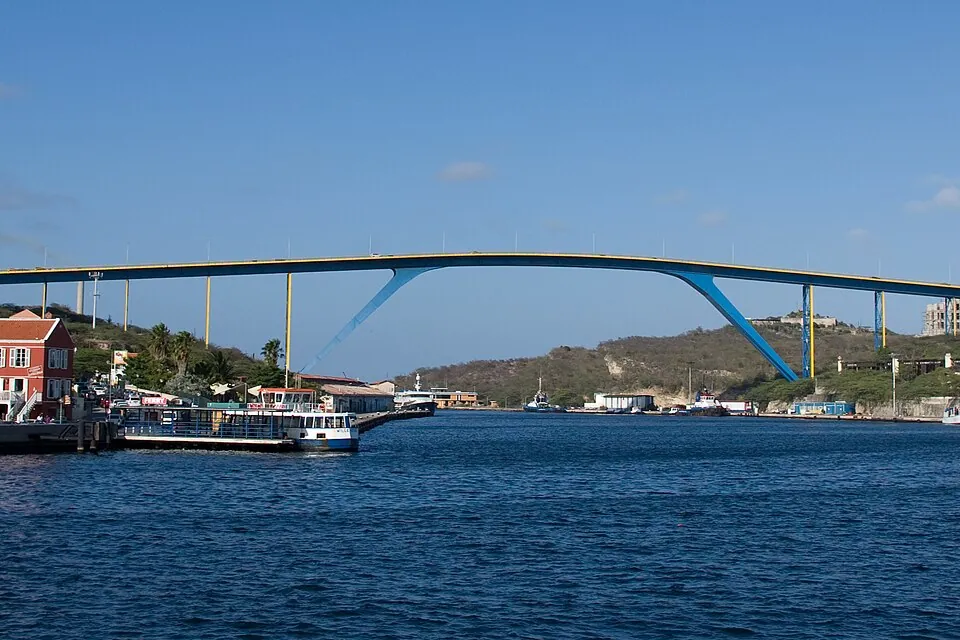
A practical guide to driving in Curaçao: road rules, roundabouts, parking, gas stations and the most common mistakes visitors make, explained simply.
In this guide
- Driving in Curaçao: what visitors really need to know
- Basic road rules and driving style
- Road conditions and navigation
- Roundabouts: how they work here
- Intersections, priority and common surprises
- Parking in Curaçao
- Fuel stations: what to expect
- Common mistakes visitors make (and how to avoid them)
- Night driving and weather
- Good to know
- FAQ
Driving in Curaçao: what visitors really need to know
Curaçao is one of those islands where having a car makes a big difference. Beaches, coves and viewpoints are spread out, and public transport is limited once you leave Willemstad. Driving here is not difficult, but some local habits and small details can surprise visitors.
Below is a practical overview of road rules, roundabouts, parking, fuel stations and the mistakes visitors most often make.
Basic road rules and driving style
Licences, side of the road and speed limits
Best for: First‑time drivers on the island, cautious drivers
- Side of the road: Driving is on the right-hand side, with left-hand drive cars (steering wheel on the left), like in the US and most of mainland Europe.
- License: A valid driver’s license from your home country is generally accepted for short stays. For longer stays or special cases, confirm requirements in advance with your rental company or consulate.
- Seatbelts: Required for front seats; strongly expected for all passengers.
- Phones: Don’t hold a phone while driving. Enforcement varies, but police can fine you.
- Speed limits: Posted limits exist but are not always obvious, and some drivers treat them as guidelines. Drive defensively and adjust to conditions rather than trying to “keep up” with faster locals.
Typical driving style
Traffic can feel relaxed compared to large cities, but there are quirks:
- Many drivers roll slowly through stop signs or treat yield signs as suggestions.
- Turn signals are not always used; brake lights are your main clue.
- Roads narrow quickly outside town; expect speed bumps, potholes and goats.
The safest approach: take your time, keep your distance, and don’t copy the bad habits you see.
Road conditions and navigation
Main roads vs back roads
Best for: Explorers, beach-hoppers, photographers
- Main roads: The larger roads connecting Willemstad, the airport and Westpunt are generally paved and in decent condition, though you may still hit rough patches or roadworks.
- Secondary roads: These can be narrow, with broken edges, unmarked speed bumps and occasional deep potholes. Drive slowly, especially at night.
- Unpaved tracks: Some beaches and viewpoints are down dirt or coral roads. Standard rental cars usually manage if you go slowly, but check your rental contract; some exclude damage from unpaved roads.
If a road looks more like a rocky riverbed than a road, don’t keep going just because navigation apps tell you to.
Signage and GPS quirks
- Street signs are not consistent; many smaller streets have no visible sign at all.
- Locals tend to navigate by landmarks and neighborhoods, not addresses.
- Google Maps and other apps work reasonably well but can:
- Suggest tiny back roads to save one minute.
- Show older fuel stations or closed businesses.
- Misplace some beach entrances or one-way streets.
When in doubt, stay on the bigger road a little longer rather than dive into residential shortcuts.
Roundabouts: how they work here
Using Curaçao roundabouts safely
Best for: Drivers from countries without many roundabouts, nervous drivers
Roundabouts have become more common and are usually the trickiest part for visitors.
Basic rules:
- Yield to traffic already in the roundabout. They have priority.
- Yield to pedestrians on marked crosswalks approaching or leaving the circle.
- Use your turn signal when exiting the roundabout.
Local habits to be aware of:
- Some drivers enter aggressively, expecting you to brake.
- Indicators are not always used, so be ready for sudden exits.
- On multi-lane roundabouts, lane discipline can be loose. If you’re unsure, stay in the outer lane and go around one extra time rather than force your exit.
If another driver stops unexpectedly to let you in, don’t freeze; check for others and proceed cautiously. The goal is to avoid sudden braking that confuses everyone behind you.
Intersections, priority and common surprises
Priority rules in practice
Best for: Visitors from North America, anyone unsure about right-of-way
The formal rules and the “real life” rules differ slightly.
In theory:
- Stop or yield signs control most intersections. Obey your sign; don’t assume others will.
- At an unmarked intersection of equal roads, the car from the right has priority.
In practice:
- Some drivers on the “main” road assume they always have priority, even without clear signs.
- At busy, unmarked intersections, drivers often negotiate priority with eye contact and small hand waves.
Defensive tips:
- Slow down at any unmarked intersection; scan left and right.
- Never assume the other driver will stop just because they should.
- Make your intentions obvious: early braking or clear signaling helps others read you.
Parking in Curaçao
Where and how to park
Best for: Beach-goers, city explorers, people with rental cars
Parking is usually straightforward, but Willemstad and some beaches have their own rhythm.
- Willemstad areas (Punda, Otrobanda, Pietermaai):
- There are a mix of street spots, small lots and larger commercial parking areas.
- Some areas may have paid parking zones or private lots. Look for signs, guards, or ticket machines, and never assume it’s free just because others parked there.
- Beaches:
- Many beaches have their own parking lots, ranging from organized to very informal.
- You might be asked to show a ticket or pay at an entrance booth for beach access or parking. Details vary by beach.
General rules:
- Park only where it is clearly allowed; avoid blocking driveways or entrances, even briefly.
- Don’t leave valuables visible in the car, especially at remote beaches or viewpoints.
- Lock the car whenever you walk away, even for a short photo stop.
- If you’re unsure whether a spot is private, ask someone nearby (shop, guard, or attendant).
Fuel stations: what to expect
Finding fuel and paying
Best for: Road-trippers, late-night drivers
Fuel stations are spread around the island, but they thin out as you go west.
- Near Willemstad and the airport, stations are fairly frequent.
- As you head toward the western beaches and remote areas, stations become more sparse; don’t wait until the tank is almost empty before refueling.
- Most stations are full-service: an attendant will pump for you. Some have convenience stores.
Payment details change over time, but in general:
- Major cards are widely accepted in busier stations, though occasional network issues can occur.
- Some smaller or remote stations may prefer cash.
- Self-service pumps and pay-at-the-pump systems exist at some locations; follow the posted instructions or ask the attendant.
To avoid surprises, fuel up when your tank reaches roughly half if you plan to explore the west side of the island.
Common mistakes visitors make (and how to avoid them)
1. Underestimating distances and timing
Curaçao is not huge, but roads twist and slow you down. Many visitors:
- Plan too many beaches or sights in one day.
- Forget that sunset comes faster than they expect, leaving them on dark, unfamiliar roads with poor lighting.
Fix: Allow extra time between stops, and avoid planning your first long drive at night.
2. Trusting navigation blindly
Navigation apps sometimes send people:
- Down rough, unpaved roads not suitable for their rental.
- To the “back side” of beaches or through private-looking areas.
Fix: If a road looks sketchy or private, stop and re-check. Use satellite view or ask at your hotel which route to take to popular beaches.
3. Ignoring speed bumps and potholes
Speed bumps here can be high and unpredictable. Potholes, especially after heavy rain, can be deep.
Fix:
- Slow down near villages and near schools, churches or small shops.
- At night, reduce speed: your headlights might not show bumps in time at higher speeds.
4. Misreading right-of-way at roundabouts and intersections
Visitors sometimes:
- Stop inside the roundabout to “be nice”, confusing everyone.
- Enter too early, assuming others will stop.
Fix: Remember that cars already in the roundabout have priority, and treat unknown intersections cautiously.
5. Leaving valuables in parked cars
Beach parking areas can be tempting targets.
Fix:
- Take passports, electronics and wallets with you.
- If you must leave something, keep it truly hidden before you arrive at your destination, not after you park.
- Park closer to main areas, lifeguard stands or restaurants when possible, not in isolated corners.
6. Not checking rental rules
Some visitors:
- Drive off-road or on rocky tracks that their contract excludes.
- Ignore restrictions on towing, flat tires or damage to undersides.
Fix: Read your rental agreement and ask directly: “Can I take this car on the unpaved road to X beach?” If the answer is vague, assume they’d blame you for damage.
Night driving and weather
Driving after dark
Best for: Late diners, night-owls, people staying outside Willemstad
Things change once the sun goes down:
- Many roads outside urban areas have no streetlights.
- Animals (goats, dogs, sometimes iguanas) may wander onto the road.
- Other drivers may use high beams inconsiderately.
If you’re not confident:
- Try to plan most of your long drives in daylight, especially your first trip across the island.
- At night, reduce speed and increase your following distance.
Rain and flooded roads
Heavy showers can cause:
- Large puddles and temporary flooding in low spots.
- Hidden potholes under water.
Don’t power through deep-looking water; wait or find another route if you can’t see the road surface.
Good to know
- Car type: A small car is usually enough for couples or solo travelers; families or groups may prefer a compact SUV. You don’t need a large 4x4 for most attractions.
- Manual vs automatic: Both exist; if you can’t drive manual, double-check your booking for “automatic”.
- Child seats: Request them in advance from the rental company; don’t assume they will be available last-minute.
- Insurance: Consider full coverage if you plan to explore side roads or park in crowded areas. Read what is actually covered.
- Police checks: Occasional checkpoints exist. Carry your license, rental documents and ID; stay calm and follow instructions.
FAQ
Do I need a car to get around Curaçao?
You can use taxis and some buses, but many beaches and sights are difficult to reach without a car. A rental car gives you far more flexibility and usually saves time, especially if you want to explore beyond Willemstad.
Is driving in Curaçao safe for foreigners?
For most visitors, yes, as long as you drive defensively and don’t rush. Roads are generally manageable, but you should watch for potholes, speed bumps, unmarked intersections and variable driving habits.
Can I use my foreign driver’s license in Curaçao?
Short-term visitors can usually drive with their regular home license. Rules can change and may differ for longer stays, so it’s wise to confirm with your rental company or your country’s consulate information before you arrive.
Is parking difficult in Willemstad?
Parking is usually possible but can be busy in central areas at peak times. Use official lots when you can, read local signs, and allow a little extra time when driving into town for dinner or shopping.
Are gas stations open 24/7 in Curaçao?
Some busy stations keep long hours and a few may open late, but not all operate around the clock. Because opening times vary, it’s smarter to refill before the tank is low, especially in the evening or when heading toward the west side of the island.
Prices and opening times change. Always check current details before you go.
The weekly Curaçao letter
One short email a week: what's on, a useful guide and an insider tip. Free, unsubscribe anytime.
🎁 Free when you subscribe: the First-timer's Curaçao Checklist (PDF).
Getting around
Getting Around Curaçao Without a Car
How to get around Curaçao without driving: taxis, buses, shuttles, tours and the best areas to stay car-free, with honest local-style tips.
Getting from Curaçao Airport to Your Hotel
How to get from Curaçao’s airport to your hotel: taxis, private transfers, rental cars and shuttles, plus realistic tips for late arrivals and luggage.
Renting a Car in Curaçao: A Local-Style Guide
Honest guide to renting a car in Curaçao: if you really need one, how rental works, insurance checks, and practical driving tips for visitors.